Finsamudra Newsroom, home

Finsamudra Desk

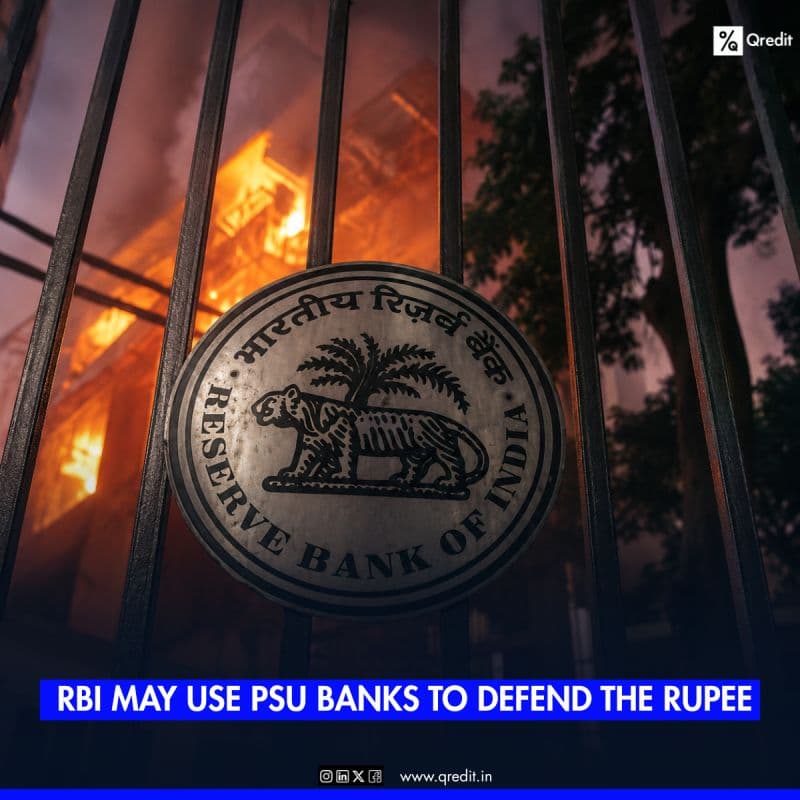
RBI explores state-bank dollar bonds as rupee defence shifts beyond intervention

The central bank is considering foreign-currency bond issuance by PSU banks to attract dollar inflows, signalling a pivot from reserve-depletion tactics to sustainable balance-of-payments management.

“RBI may not be defending the rupee. It may be defending confidence.”
Image: Finsamudra LinkedIn archive

The RBI is reportedly examining a proposal to allow state-run banks to issue foreign-currency bonds as a new tool for managing rupee pressure. Unlike routine spot intervention—which depletes forex reserves—this approach would bring fresh dollar inflows into India's financial system without immediate central bank action.

The proposal reflects a broader shift in how the RBI is thinking about currency defence. Rather than relying solely on reserve sales to calm volatility, the central bank is exploring mechanisms that signal to markets that India has options and can attract capital organically.

Foreign-currency bond issuance by PSU banks would serve a dual purpose: it brings in dollars without burning reserves, and it communicates stability to overseas investors. Selling reserves can suppress volatility in the short term, but it does not address the underlying balance-of-payments pressure.

The trade-off is not cost-free. Higher-yield foreign bonds issued by state banks would create future foreign-exchange obligations for India. The RBI's consideration of this path suggests rising pressure on the rupee and mounting concerns about the sustainability of current intervention levels.

This represents a return to an older playbook. PSU-bank bond issuance is not a routine tactic, but a deliberate choice to defend confidence in India's macro position when spot reserves are under strain. The move signals that simple currency management may no longer be sufficient.

Why it matters

For loan connectors, DSAs, and lenders, rupee stability directly affects both borrowing costs and cross-border transaction expenses. If dollar inflows through PSU bonds succeed, it could reduce the need for sharper rate hikes to defend the currency, keeping lending economics healthier. Conversely, if balance-of-payments pressure deepens despite these measures, credit costs will rise across the board.

The broader signal matters: an RBI exploring unconventional defence tools suggests the central bank is serious about maintaining macro stability without heavy-handed rate action. This buys time for the lending ecosystem, but it also flags that external pressures are real. Lenders should monitor whether this new tool reduces rupee volatility or merely postpones the problem.

More on the RBI

Every story on the RBI →

Sources

Join the conversation on LinkedIn →
Finsamudra DeskNewsroom · 6 May 2026, 1:15 pm IST
See all

Get the Morning Brief

India's lending news before your first call — subscribe free

The same daily intelligence 30,000+ CXOs, DSAs and finance professionals follow on LinkedIn, with the Finsamudra take.

The Morning Brief · Free

Get India's lending news before your first call

The daily intelligence 30,000+ finance professionals follow on LinkedIn, in one short email from the Finsamudra Desk.