Finsamudra Newsroom, home

Finsamudra Desk

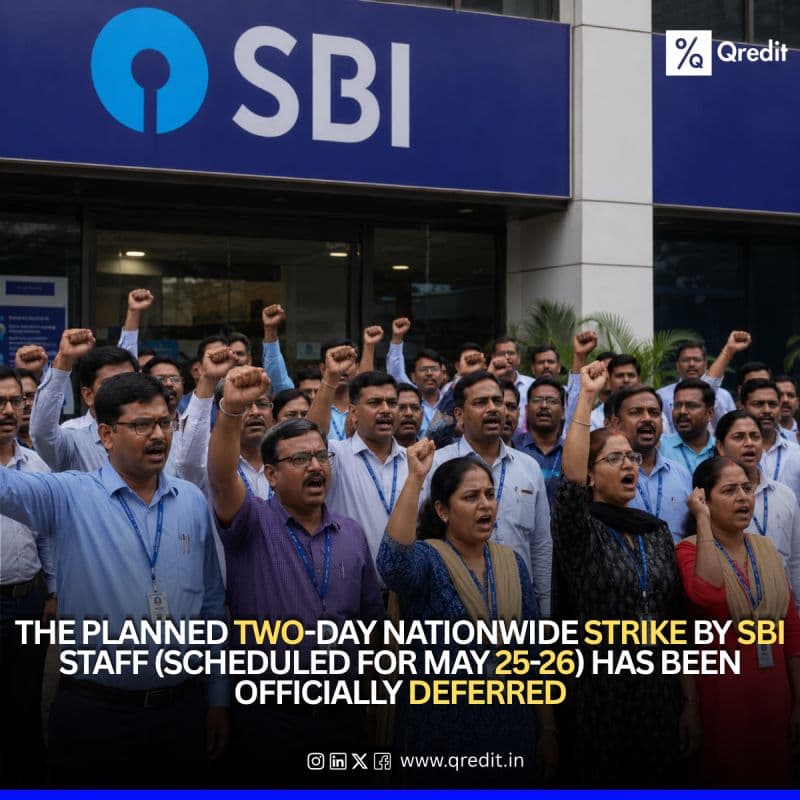
SBI strike averted after union wins on staffing, outsourcing concerns

The All India State Bank of India Staff Federation secured consensus with management in Mumbai on a 16-point charter, highlighting the tension between cost-cutting and branch operations in public sector banking.

Here is why the strike was called, and what the negotiations tell us about the future of banking operations:
Image: Finsamudra LinkedIn archive

The strike was called over more than wages. The union's core grievance centred on staff shortages, increased workloads, and aggressive outsourcing of permanent roles—issues that have compounded as SBI digitizes operations across its network.

Even as banks reduce clerical hiring through digitalization, the compliance, regulatory, and customer-service workload at branch level has not declined proportionally. This mismatch is driving employee burnout and operational strain.

Management and the All India State Bank of India Staff Federation (AISBISF) reached consensus in Mumbai, averting what could have been significant macroeconomic clearing disruptions. The resolution defers the immediate crisis but leaves the underlying structural tension unresolved.

The negotiation reflects a broader challenge facing public sector banks: how to match the lean operating models of private fintechs while maintaining thousands of physical branches staffed by permanent employees. Cost efficiency via outsourcing and automation is colliding with labor realities.

This deferment is temporary relief, not a permanent fix. As digitalization accelerates, unions are likely to push back harder against the hollowing out of permanent roles if workload redistribution does not follow.

Why it matters

For DSAs and loan distributors, this signals that public sector banks will face sustained pressure to rationalize branch staffing and accelerate digital workflows. Outsourcing of back-office and compliance functions is likely to continue—creating opportunities for fintech platforms to handle overflow processing and KYC workflows, but also creating friction points with unions and regulators.

For lenders and connectors, the negotiation underscores that legacy banks cannot simply copy fintech playbooks without managing labor consequences. Branch-level bottlenecks driven by understaffing will persist unless banks invest in tools and processes that genuinely reduce per-transaction workload, not just headcount. This is where AI-driven loan distribution networks that handle routing and compliance automation become critical for efficiency.

More on SBI

Every story on SBI →

Sources

Join the conversation on LinkedIn →
Finsamudra DeskNewsroom · 24 May 2026, 10:45 am IST
See all

Get the Morning Brief

India's lending news before your first call — subscribe free

The same daily intelligence 30,000+ CXOs, DSAs and finance professionals follow on LinkedIn, with the Finsamudra take.

The Morning Brief · Free

Get India's lending news before your first call

The daily intelligence 30,000+ finance professionals follow on LinkedIn, in one short email from the Finsamudra Desk.