Finsamudra Newsroom, home

Finsamudra Desk

Cash-Flow-Based Lending Crucial for New-Age Sectors: SBI MD Ashwini Kumar Tewari Details "CHAKRA" Framework

For generations, Indian corporate lending operated under a straightforward doctrine: credit limits were directly anchored to the liquidation value of physical collateral—land, buildings, and industrial machinery.

1-BIG CHANGECHAKRA
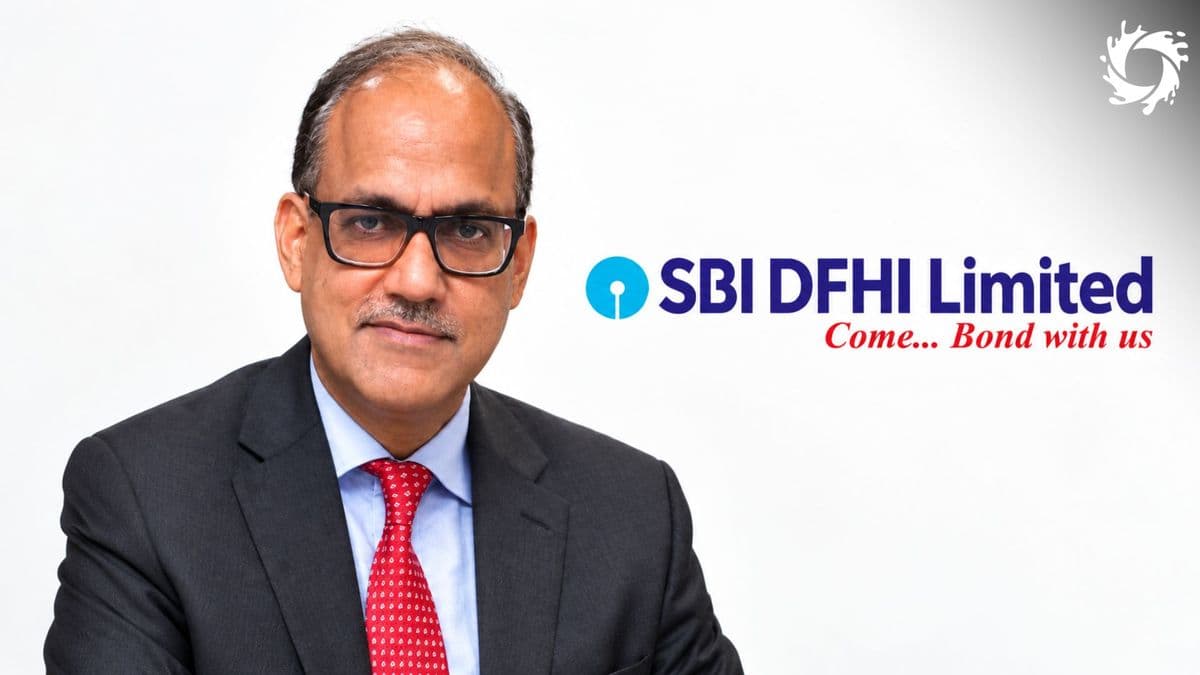
HERO IMAGE
Image: - FINSAMUDRA


Speaking at a financial market conclave hosted by the Bengal Chamber of Commerce and Industry (BCC&I) in Mumbai, Ashwini Kumar Tewari, Managing Director of State Bank of India (SBI), declared that commercial banks must structurally transition from tangible asset security to cash-flow-based lending.


Inside SBI’s "CHAKRA" Initiative

To navigate this transition, the country’s largest lender has already institutionalized specialized underwriting mechanisms.

Tewari revealed that SBI is actively deploying a cash-flow-focused framework termed "CHAKRA" to evaluate high-growth emergent industries:

  • Target Sectors: Hyperscale data centres, semiconductor assembly and testing units, static conductor fabrication, solar component manufacturing, and specialty biotech.
  • The Valuation Disconnect: In modern technology infrastructure, intellectual property, long-term master service agreements (MSAs), and power-purchase agreements (PPAs) represent the core enterprise value. Traditional collateral charges on brick-and-mortar structures offer minimal downside protection if the underlying operating business fails.

The Underwriting Dilemma: Technological Obsolescence

While cash-flow lending unlocks vital liquidity for capital-heavy sectors, Tewari warned that it introduces acute credit assessment hurdles—most notably technological obsolescence.

Using solar manufacturing as a prime case study, Tewari explained that loan tenors often outlast the competitive lifespan of underlying machinery:

"In the case of solar, we started getting into detail. We found that there is a lot of technology which is outdated... different technologies have different power-generation economics and banks would find it difficult to fund such projects unless they understand these aspects. There is still a difficulty in establishing the revenue, to establish the economics and the cash flow generation, et cetera."

If an energy manufacturer invests in photovoltaic cell fabrication using older-generation silicon technology, a sudden efficiency breakthrough by competitors can destroy projected operating margins overnight, jeopardizing debt servicing even if production runs at full capacity.


Traditional Collateral vs. Cash-Flow Lending in New-Age Sectors

Credit DimensionTraditional Collateral-Based LendingCash-Flow-Based Lending ("CHAKRA")

Primary Security

Pledges on real estate, plant, and physical machinery

Escrow accounts, receivables, and contractual off-take agreements

Core Metric

Loan-to-Value (LTV) and distress sale liquidation valuation

Debt Service Coverage Ratio (DSCR) and free cash flow generation

Sector Suitability

Steel, cement, textile spinning, real estate developers

Data centres, solar modules, semiconductor fabs, SaaS, advanced pharma

Primary Risk Factor

Collateral encumbrance, property title disputes, illiquidity

Technological obsolescence, tariff cuts, and client off-take cancellations

Banker Skillset

Asset appraisers, civil valuers, legal auditors

Domain engineers, techno-economic analysts, contract structure specialists


Why it matters

Strategic Takeaways for Enterprise Borrowers and Founders

The public endorsement of cash-flow lending by India's apex commercial lender signals a decisive shift across the domestic credit environment:

  1. Emphasis on Contract Structuring: Borrowers in green energy and digital infrastructure must build ironclad, bankable contracts—such as tripartite escrow mechanisms and take-or-pay off-take agreements—to demonstrate cash visibility.
  2. Techno-Economic Transparency: Credit proposals can no longer rely solely on audited historical financials; they must clearly articulate technology longevity, replacement cycles, and unit-level unit economics.
  3. Paving the Way for Private Banks and NBFCs: As SBI establishes underwriting benchmarks through CHAKRA, private lenders, specialized infrastructure NBFCs (such as IREDA and PFC), and debt funds are likely to follow suit, expanding institutional credit for India's capital-intensive sunrise sectors.

More on SBI

Every story on SBI →

Sources

Finsamudra Desk19 Sept 2026, 1:14 pm IST
See all

Get the Morning Brief

India's lending news before your first call — subscribe free

The same daily intelligence 30,000+ CXOs, DSAs and finance professionals follow on LinkedIn, with the Finsamudra take.

The Morning Brief · Free

Get India's lending news before your first call

The daily intelligence 30,000+ finance professionals follow on LinkedIn, in one short email from the Finsamudra Desk.