Finsamudra Newsroom, home

Finsamudra Desk

Bandhan Bank’s Credit-Card Bet: Timely Strategic Pivot or High-Risk Detour?

Bandhan Bank's stock jumped 4.5% following its four-tier credit card rollout with Mastercard. While the move accelerates diversification away from microfinance, fierce oligopoly competition and unsecured credit costs loom large.

+4.5% Shares
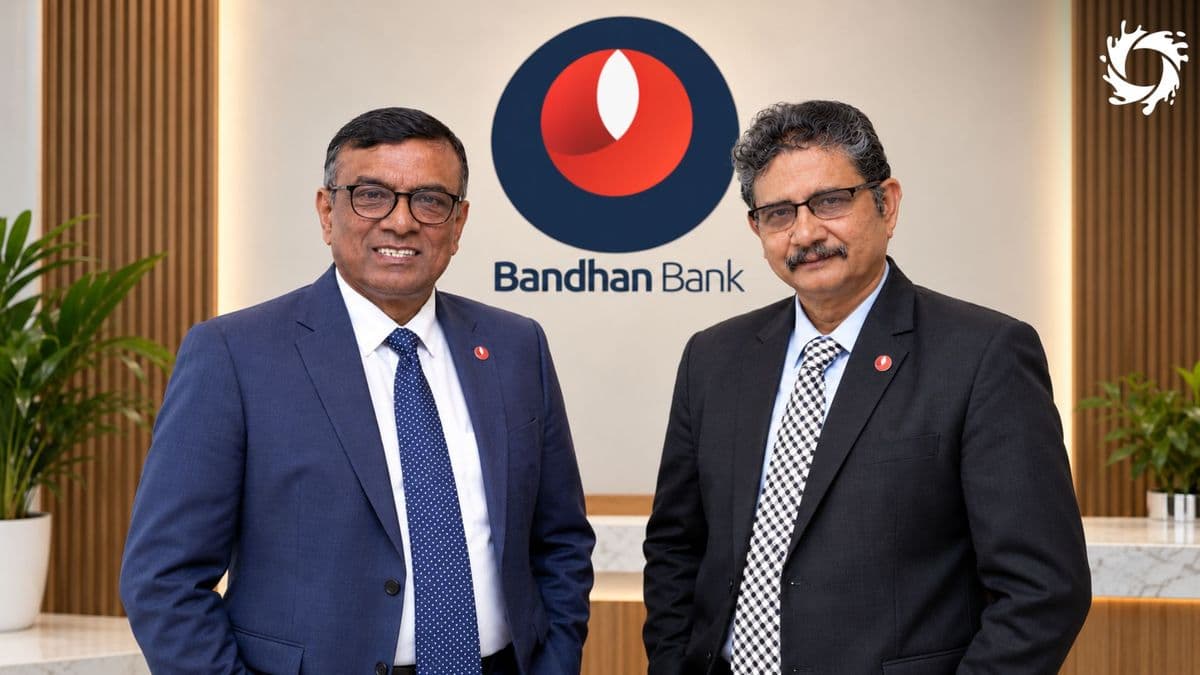
HERO IMAGE
Image: - FINSAMUDRA

Bandhan Bank has formally stepped into India’s fast-expanding credit card arena, rolling out a comprehensive suite of four credit card variants in partnership with global payments network Mastercard.

The announcement triggered an enthusiastic response on Dalal Street, with Bandhan Bank shares rallying approximately 4.5% over two consecutive trading sessions. Yet beneath the positive market reception lies a defining strategic question highlighted in Mint's latest Mark to Market analysis: Is this aggressive push into unsecured consumer finance a timely, margin-accretive masterstroke, or a risky operational detour?


The Product Suite: 4 Variants from Mass-Market to High-Net-Worth

Symbolized by the flame in the bank's corporate identity, the new credit card portfolio spans entry-level first-time cardholders to affluent frequent flyers:

  • Sparks (Everyday Spends): Targeted at Gen Z and young professionals, offering accelerated rewards on groceries and apparel, domestic airport lounge access, BookMyShow discounts, and fuel surcharge waivers.
  • Ignite (Lifestyle & Dining): Designed for mid-market retail spenders, integrating milestone bonus points, domestic and international airport lounge privileges, and curated dining discounts via EazyDiner.
  • Flare (Travel & Entertainment): Tailored for frequent travelers, featuring Amazon Pay welcome vouchers, domestic/international lounge access, golf privileges, and ticket rebates.
  • Lumina (Flagship Premium): The ultra-premium offering designed for affluent clients, featuring accelerated rewards on foreign currency spends, Oberoi luxury stay vouchers, airport meet-and-greet services, dedicated concierge, and complimentary golf access.

The "Timely Move" Thesis: De-Risking Away from Microfinance

Historically, Bandhan Bank has been heavily dependent on its Emerging Entrepreneurs Business (EEB), the microfinance loan portfolio that previously constituted the vast majority of its assets. While high-yielding, the microfinance segment exposed the bank to severe regional political, weather-related, and socio-economic shocks.

For the past two years, the lender has been executing a conscious strategy to rebalance its balance sheet—expanding secured housing finance, MSME loans, and commercial banking. The credit card business represents the missing consumer piece that accomplishes three vital strategic objectives:

  1. Fee Income Generation: Generating sticky interchange fees, annual fees, and processing charges to diversify non-interest revenues.
  2. Cross-Selling to Depositors: Deepening engagement with its growing retail deposit and savings account customer base.
  3. Capitalizing on Industry Rebound: Launching at a time when retail credit demand is accelerating and unsecured delinquency curves have begun stabilizing following regulatory adjustments.

The "Risky Detour": Three Critical Headwinds

Despite investor optimism, market analysts urge caution regarding three structural challenges:

1. The Entrenched Oligopoly

India's credit card industry is notoriously concentrated. Four dominant issuers—HDFC Bank, SBI Cards, ICICI Bank, and Axis Bank—command over 70% market share in cards-in-force and card spends. Challenging established incumbents who possess massive merchant ecosystems, established co-brand programs, and deep capital moats is an uphill task.

2. Soaring Customer Acquisition Costs (CAC)

Acquiring active, profitable credit card users is among the most expensive customer acquisition plays in Indian banking. Initial customer onboarding, welcome perks (such as hotel and shopping vouchers), and reward subsidies often create a steep J-curve burn before individual accounts generate net interest or fee margins.

3. Unsecured Credit Vulnerability

Unlike gold loans or home loans, credit cards are completely unsecured revolving facilities. With regulatory authorities maintaining heightened vigilance over unsecured consumer exposure and leverage levels, any slippage in credit underwriting could translate into elevated credit costs for Bandhan Bank at a time when its asset quality recovery is still taking root.


Why it matters

Comparative Portfolio Overview

Card VariantTarget SegmentSignature BenefitsStrategic Purpose

Sparks

Gen Z & First-Time Users

Grocery/Apparel Rewards, Domestic Lounge, BMS Offers

Mass acquisition & digital onboarding

Ignite

Mid-Tier Professionals

Milestone Rewards, Domestic + Int'l Lounge, Dining

Everyday wallet-share expansion

Flare

Frequent Flyers & Travellers

Amazon Pay Vouchers, Golf Access, Travel Insurance

High-ticket travel spend capture

Lumina

Affluent & HNI Segment

International Spend Boost, Oberoi Vouchers, Concierge

High-yield fee generation & premium affinity


The Road Ahead

Bandhan Bank's foray into credit cards is an ambitious, logical evolution for a full-service universal bank seeking to discard the "pure-play MFI" label. However, the true test will not be measured by the initial surge in card issuances, but by its ability to cross-sell to its internal customer base while keeping acquisition costs controlled and gross non-performing assets (GNPAs) firmly in check over the next four to six quarters.


More on Bandhan Bank

Every story on Bandhan Bank →

Sources

Finsamudra Desk10 Sept 2026, 2:08 pm IST
See all

Get the Morning Brief

India's lending news before your first call — subscribe free

The same daily intelligence 30,000+ CXOs, DSAs and finance professionals follow on LinkedIn, with the Finsamudra take.

The Morning Brief · Free

Get India's lending news before your first call

The daily intelligence 30,000+ finance professionals follow on LinkedIn, in one short email from the Finsamudra Desk.