Finsamudra Newsroom, home

Finsamudra Desk

RBI and Finance Ministry Mandate Dual Governance Overhaul Across Cooperative Banks and PSU Insurers

When the central bank tightens governance across urban cooperative banks on the same day the finance ministry orders state-owned insurers to abandon unprofitable lines, India’s financial regulators send an unmistakable signal: the era of chasing unhedged top-line volume is officially over.

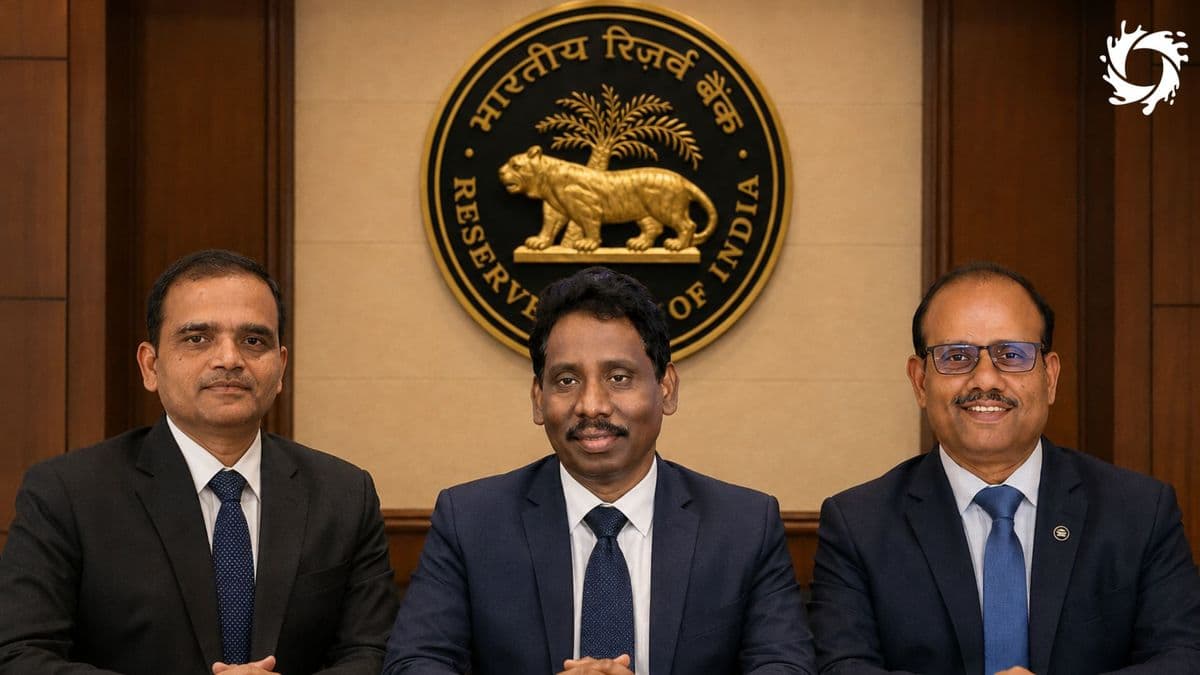
HERO IMAGE
Image: - FINSAMUDRA
1-Department of Financial Services , 2-Urban Cooperative BanksRBI Dual Governance

Executive Summary

In a coordinated initiative to enforce financial discipline and institutional accountability, the Reserve Bank of India (RBI) and the Department of Financial Services (DFS), Ministry of Finance, have issued comprehensive governance directives targeting Urban Cooperative Banks (UCBs) and Public Sector General Insurance Companies (PSGICs).

The synchronized regulatory actions mark a decisive shift from unhedged top-line volume expansion to bottom-line underwriting discipline and rigorous risk governance. While the central bank instructed cooperative lenders to eliminate money-mule networks and enforce fit-and-proper board standards under Mission SAKSHAM, the Finance Ministry directed state-owned general insurers to reduce incurred claim ratios and concentrate exclusively on profitable underwriting portfolios through a new quarterly Key Performance Indicator (KPI) framework.


Comprehensive Policy & Governance Matrix

Financial Sector & AuthorityTarget InstitutionsKey Leadership & DirectivesCore Regulatory & Fiscal Objective

Banking Sector
(Reserve Bank of India)

Urban Cooperative Banks (UCBs)

Deputy Governors Swaminathan J. & Shirish Chandra Murmu; CRCS Shiv Pal Singh

Mandated professional fit-and-proper boards, eradication of money-mule accounts, capacity building via Mission SAKSHAM, and timely resolution of weak UCBs.

Insurance Sector
(Ministry of Finance)

Public Sector General Insurers (New India, National, Oriental, United India)

DFS Secretary Sanjay Lohiya

Directed focus on profitable underwriting lines, reduction of incurred claim ratios, digital claim acceleration, and quarterly KPI scorecards.


Key Analytical Pillars of the Dual Regulatory Reset

The twin directives address structural vulnerabilities across state-anchored and cooperative financial institutions:

1. Ending Top-Line Revenue Vanity in Non-Life Insurance

The Finance Ministry’s directive instructs public sector general insurers to withdraw from predatory commercial discounting and re-underwrite loss-making group health and commercial property portfolios. By prioritizing combined operating ratios over gross written premium (GWP) volume, the government aims to curb underwriting losses and protect sovereign capital reserves.

2. Dismantling Grassroots Fraud Blindspots in Cooperative Banks

At the Third Conference of Registrars of Cooperative Societies in New Delhi, the RBI emphasized that licensed cooperative banks carry the same fiduciary responsibilities as scheduled commercial banks. The central bank mandated immediate operational audits to identify and freeze money-mule accounts, ensuring cooperative branches cannot be exploited by digital payment fraud networks.

3. Institutional Capacity Building Through Mission SAKSHAM

To address chronic managerial deficiencies in the cooperative banking tier, the RBI highlighted Mission SAKSHAM as a structured framework to professionalize executive leadership, enhance internal audit controls, and establish synchronized supervisory coordination between the RBI and State Registrars of Cooperative Societies.

4. Standardized Quarterly Performance Governance

The introduction of a standardized KPI framework for state-owned insurers establishes a measurable governance architecture. Reviewed on a quarterly basis, the metrics evaluate financial performance, incurred claim ratios, digital processing adoption, and consumer grievance turnaround times.


Why it matters

Financial Sector Governance Outlook

The concurrent interventions by the Reserve Bank of India and the Ministry of Finance signal that public and cooperative financial institutions will no longer be permitted to mask operational inefficiencies through top-line growth.

By establishing strict board accountability, rooting out digital financial crime at the branch level, and enforcing actuarial discipline in non-life underwriting, regulators are strengthening the institutional foundation of India's multi-tiered financial system throughout FY27 and beyond.

More on the RBI

Every story on the RBI →

Sources

Finsamudra Desk3 Sept 2026, 1:00 pm IST
See all

Get the Morning Brief

India's lending news before your first call — subscribe free

The same daily intelligence 30,000+ CXOs, DSAs and finance professionals follow on LinkedIn, with the Finsamudra take.

The Morning Brief · Free

Get India's lending news before your first call

The daily intelligence 30,000+ finance professionals follow on LinkedIn, in one short email from the Finsamudra Desk.