Finsamudra Newsroom, home

Finsamudra Desk

RBI mandates auditor certification for Priority Sector Lending claims

Banks, NBFCs, and MFIs must now obtain independent auditor verification to claim PSL benefits, tightening regulatory oversight and data integrity.

PSL reporting just became tougher and more transparent.
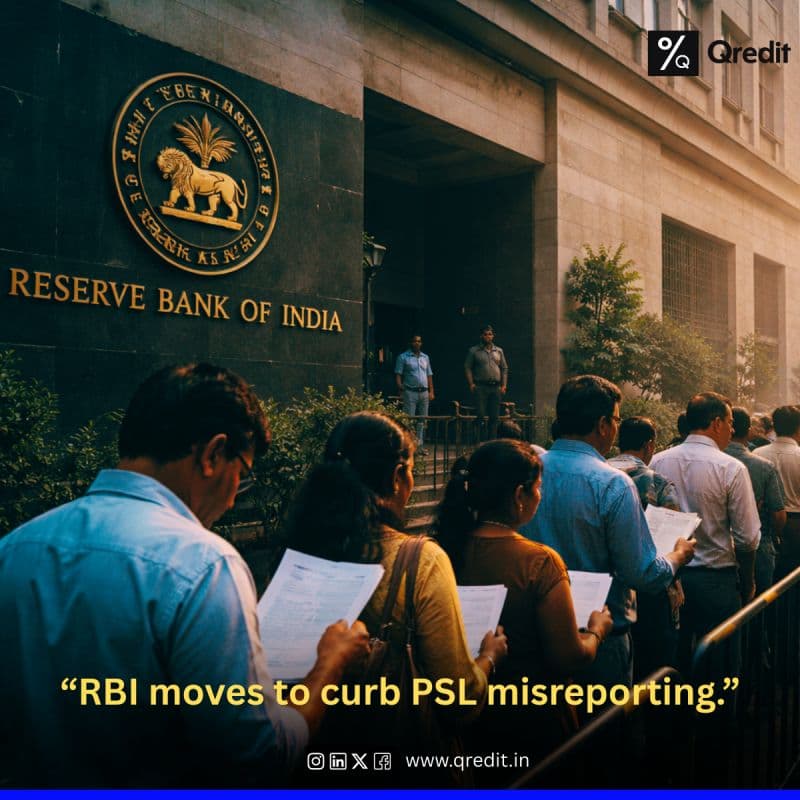
Image: Finsamudra LinkedIn archive

The Reserve Bank of India has introduced a requirement for lenders to obtain auditor certification when claiming Priority Sector Lending benefits. This marks a significant shift in how PSL compliance is verified and reported to regulators.

The move addresses three core issues: preventing double-counting of advances across lenders, improving the accuracy of PSL data submitted to the RBI, and strengthening regulatory oversight of the sector. Previously, lender self-reporting created gaps that auditor certification now closes.

PSL targets have long been a cornerstone of RBI's credit allocation policy, directing a portion of bank lending toward agriculture, small business, and other priority sectors. This new requirement applies across all entity types claiming such benefits.

The certification requirement signals a transition away from volume-driven compliance toward verified, accountable lending. Lenders must now demonstrate—through independent audit—that their PSL claims are accurate and non-duplicative.

For FY26 and beyond, banks, NBFCs, and MFIs will need to integrate auditor certification into their compliance workflows. The added rigor is expected to increase administrative burden but reduce regulatory risk.

Why it matters

For DSAs and loan agents, this change affects how their partner lenders report and qualify advances. A tighter PSL regime means clearer incentive structures and reduced risk of lender penalties that could disrupt tie-ups. Connectors working with multiple lenders must ensure partners have robust audit trails to support PSL claims.

For lenders themselves—especially NBFCs and MFIs navigating tight PSL targets—auditor certification becomes a non-negotiable compliance cost. This may tighten lending margins in smaller-ticket, slower-moving segments that qualify for PSL but depend on volume. Loan distribution networks that can help lenders meet verified PSL targets efficiently will gain competitive advantage.

More on the RBI

Every story on the RBI →

Sources

Join the conversation on LinkedIn →
Finsamudra DeskNewsroom · 20 Jan 2026, 2:08 pm IST
See all

Get the Morning Brief

India's lending news before your first call — subscribe free

The same daily intelligence 30,000+ CXOs, DSAs and finance professionals follow on LinkedIn, with the Finsamudra take.

The Morning Brief · Free

Get India's lending news before your first call

The daily intelligence 30,000+ finance professionals follow on LinkedIn, in one short email from the Finsamudra Desk.