Finsamudra Newsroom, home

Finsamudra Desk

GIC launches unified health insurance empanelment platform, 10,000+ hospitals already applying

India's 32 health insurers now share a single registration system for hospital onboarding, ending decades of fragmented administrative procedures.

32Previously separate registration procedures
If you ask any hospital administrator, they will tell you that getting empanelled for cashless claims is an administrative nightmare.
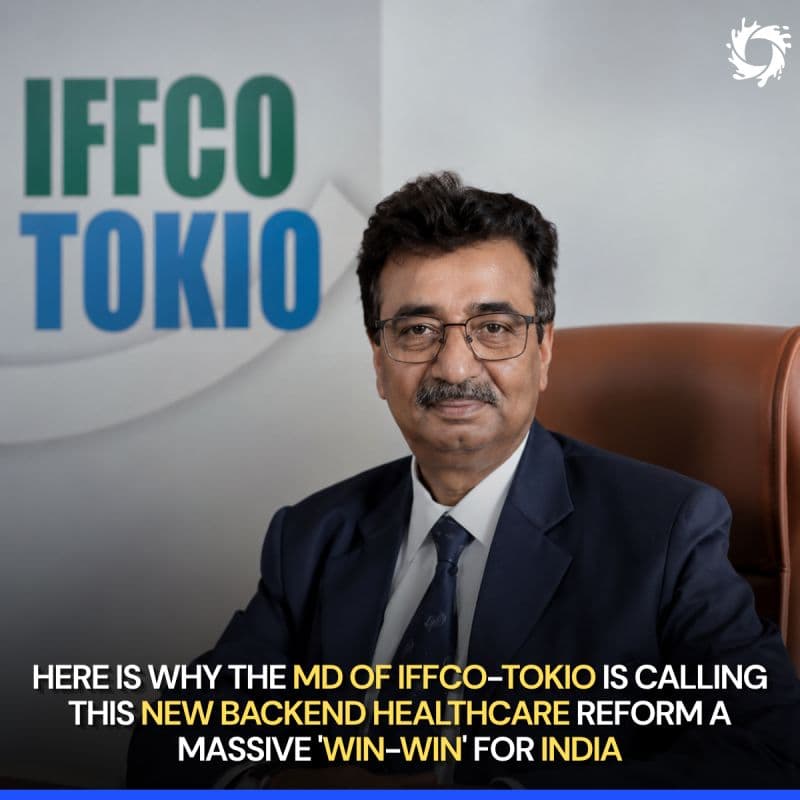
Image: Finsamudra LinkedIn archive
10,000+Hospitals already applied to unified platform

Backed by the regulator, the General Insurance Council (GIC) has officially rolled out a Common Empanelment Platform designed to consolidate hospital registration across India's insurance sector. Historically, hospitals had to complete 32 separate, highly complex registration procedures to work with each of the country's 32 different health insurers.

Under the new unified system, hospitals complete a single digital registration and sign one common agreement. They are instantly empanelled across all 32 insurance companies, eliminating the redundant onboarding paperwork that once consumed months of administrative effort.

For insurers, the platform drastically reduces operational friction while standardizing pricing frameworks and expanding their medical provider networks without proportional overhead costs. The structural shift addresses a long-standing pain point in India's cashless claims ecosystem.

For policyholders, the real-world impact is immediate: a vastly expanded network of cashless hospitals nationwide. During a medical emergency, patients no longer face the risk of their insurer lacking a tie-up with the nearest hospital.

Adoption momentum is strong. Over 10,000 hospitals have already applied to be onboarded to the unified platform, signaling rapid take-up across the provider ecosystem.

Why it matters

For DSAs, loan agents, and fintech connectors in the lending space, this structural shift in health insurance has downstream implications. As cashless healthcare becomes more accessible and seamless, health-related financial hardship decreases—reducing defaults triggered by medical emergencies. This improves credit quality for lenders, particularly in the unsecured and micro-lending segments where health shocks are a leading cause of repayment stress.

The standardization also strengthens India's broader financial infrastructure. When insurance claims settle faster and more reliably through unified networks, household liquidity improves, creating a more stable lending environment. For NBFCs and DSAs focused on underserved populations, better health insurance penetration reduces portfolio volatility and borrower distress.

Sources

Join the conversation on LinkedIn →
Finsamudra DeskNewsroom · 15 Jun 2026, 2:30 pm IST
See all

Get the Morning Brief

India's lending news before your first call — subscribe free

The same daily intelligence 30,000+ CXOs, DSAs and finance professionals follow on LinkedIn, with the Finsamudra take.

The Morning Brief · Free

Get India's lending news before your first call

The daily intelligence 30,000+ finance professionals follow on LinkedIn, in one short email from the Finsamudra Desk.