Finsamudra Newsroom, home

Finsamudra Desk

RBI flags farm loan fee levy and SHG data gaps in bank compliance audit

A statutory inspection revealed a bank improperly charged fees on small agricultural loans and failed to report member-level SHG data to credit bureaus—exposing core banking system weaknesses.

₹25,000Priority sector loan cap flagged
Here is the breakdown of what triggered the regulator, and why your compliance team needs to pay attention:
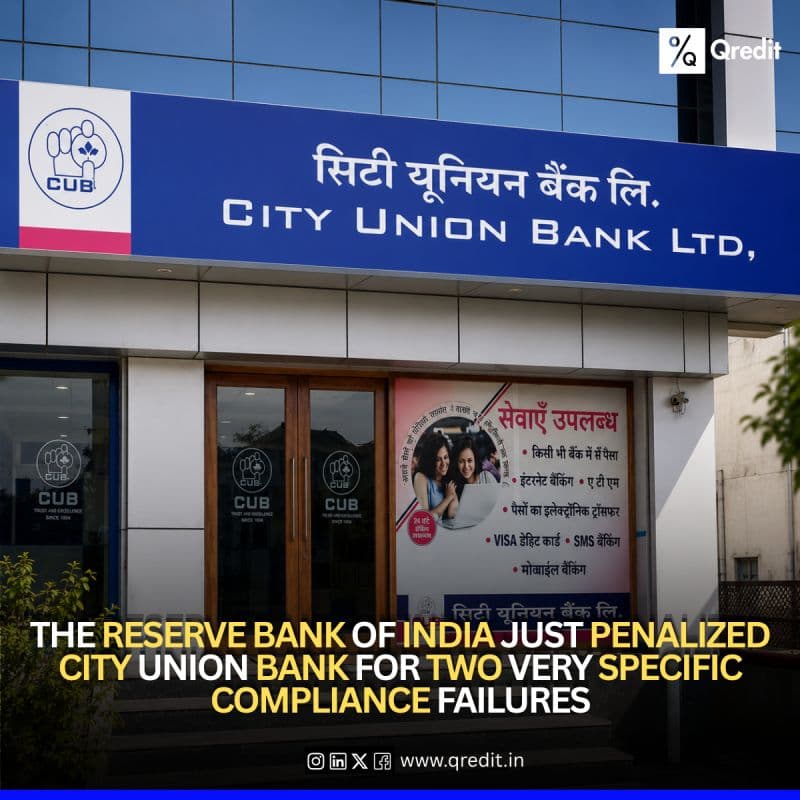
Image: Finsamudra LinkedIn archive
₹20,000Loan amount cited in example violation

The RBI's Statutory Inspection for Supervisory Evaluation uncovered two distinct compliance failures. First, the bank levied loan-related charges on agriculture priority sector loans under ₹25,000, breaching RBI protections designed specifically for small-ticket agricultural borrowers. Second, the bank failed to report granular, member-level data for Self Help Groups (SHGs) to Credit Information Companies (CICs), submitting aggregate data instead.

Priority sector regulations shield farmers from ancillary charges on loans below ₹25,000. The violation suggests the bank's automated core banking system did not apply these exemptions correctly—a mechanical failure with regulatory consequences.

The data reporting gap reflects a broader shift in RBI supervisory practice. Credit bureaus now demand member-level transparency for SHGs rather than consolidated figures. Banks treating this as optional face formal reprimand.

These findings underscore a growing tension in financial inclusion compliance. The RBI's Statutory Inspection process increasingly scrutinises micro-level operational mechanics: how charges are calculated for individual ₹20,000 loans, how SHG member records flow to credit bureaus, how legacy systems handle exemptions.

The violations were captured through structured supervisory evaluation, not customer complaints, suggesting the RBI has tightened its audit depth on inclusion-focused lending.

Why it matters

For DSAs and loan agents, this signals that compliance gaps in agricultural lending—even on small tickets—now trigger formal regulatory findings. Partner banks' core systems must correctly flag priority sector loans and apply fee exemptions automatically. An agent originating small farm loans needs confidence that charges will be waived by design, not by manual override.

For lenders and credit partners, the SHG data requirement is non-negotiable: member-level reporting to CICs is now standard, not optional. Legacy core banking systems that aggregate SHG records without granular member tracking are regulatory liabilities. This is particularly acute for NBFCs and DSAs working with SHG portfolios, where data infrastructure investments are becoming compliance necessities, not nice-to-haves.

More on the RBI

Every story on the RBI →

Sources

Join the conversation on LinkedIn →
Finsamudra DeskNewsroom · 23 May 2026, 4:45 pm IST
See all

Get the Morning Brief

India's lending news before your first call — subscribe free

The same daily intelligence 30,000+ CXOs, DSAs and finance professionals follow on LinkedIn, with the Finsamudra take.

The Morning Brief · Free

Get India's lending news before your first call

The daily intelligence 30,000+ finance professionals follow on LinkedIn, in one short email from the Finsamudra Desk.