Finsamudra Newsroom, home

Finsamudra Desk

RBI opens term money market to HFCs and AIFIs, unlocking cheaper capital

The central bank's draft directions will let Housing Finance Companies and All India Financial Institutions borrow and lend directly in the inter-bank liquidity pool, historically reserved for large banks and primary dealers.

For years, the Indian "term money market" (the massive liquidity pool where financial institutions lend each other uncollateralized cash for 14 days to 1 year) has been an exclusiv
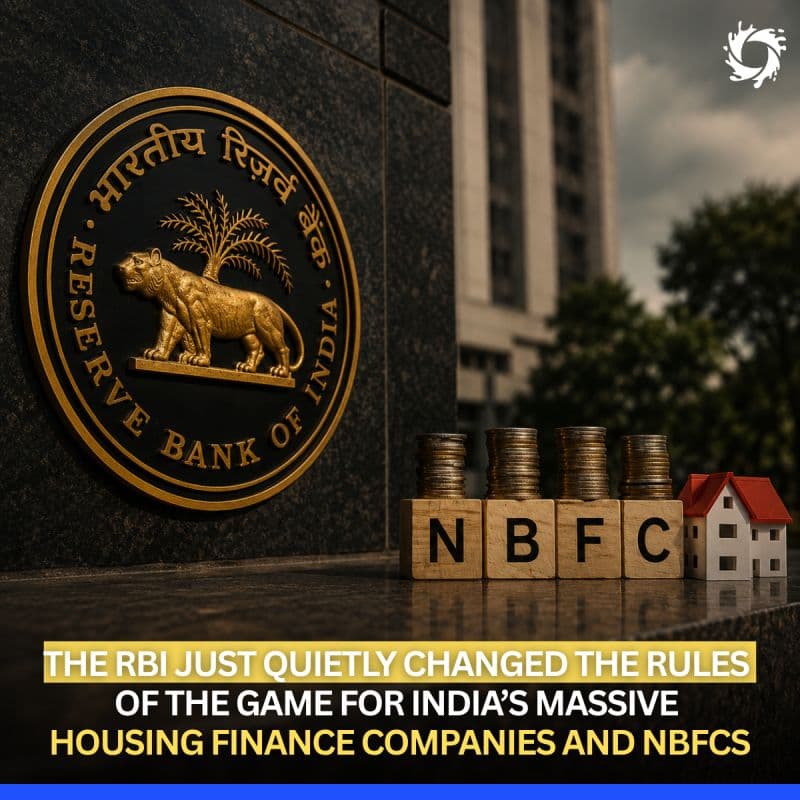
Image: Finsamudra LinkedIn archive
200% of net owned fundsHFC borrowing limit in term money market
14 days to 1 yearTerm money market tenor

India's term money market—where financial institutions lend uncollateralized cash for 14 days to a year—has operated as an exclusive club for large commercial banks and primary dealers. Yesterday, the RBI released draft directions that fundamentally reshape access to this pool.

The new proposal allows All India Financial Institutions (NABARD, SIDBI) and Housing Finance Companies to participate as both active lenders and borrowers. HFCs can borrow up to 200% of their net owned funds in this uncollateralized market, signaling regulatory confidence in their stability.

Housing finance companies currently depend on expensive commercial bank loans and volatile bond markets for short-term liquidity. Direct access to the term money market will lower their overall cost of funds by tapping a deeper, more stable inter-bank liquidity pool.

The RBI's move creates a larger, more robust liquidity ecosystem. By allowing HFCs, AIFIs, and corporations to actively lend surplus cash into the market, the central bank is engineering faster transmission of policy rate cuts into consumer lending costs.

When the RBI cuts the repo rate, that reduction will now flow directly through the term money market into housing loan pricing for end borrowers. This structural deepening of the financial market reduces intermediation friction across the credit chain.

Why it matters

For loan connectors and DSAs, this matters because cheaper HFC capital translates into lower housing loan rates, driving higher borrower demand and lower rejection rates. Easier HFC access to liquidity means faster disbursals and more competitive pricing—expanding the addressable market for distribution partners.

For lenders and DSAs reliant on NBFC/HFC partnerships, this policy shift improves counterparty stability and access to funds. A more liquid, interconnected credit ecosystem reduces funding stress on non-bank lenders, making them more reliable partners for loan distribution networks.

More on the RBI

Every story on the RBI →

Sources

Join the conversation on LinkedIn →
Finsamudra DeskNewsroom · 27 Jun 2026, 5:15 pm IST
See all

Get the Morning Brief

India's lending news before your first call — subscribe free

The same daily intelligence 30,000+ CXOs, DSAs and finance professionals follow on LinkedIn, with the Finsamudra take.

The Morning Brief · Free

Get India's lending news before your first call

The daily intelligence 30,000+ finance professionals follow on LinkedIn, in one short email from the Finsamudra Desk.