Finsamudra Newsroom, home

Finsamudra Desk

RBI caps UCB director tenure at 10 years, mandates 3-year cooling-off period

New amendments effective this week plug a long-standing governance loophole where co-operative bank directors would resign and get re-elected to reset their tenure clocks.

3 yearsMandatory cooling-off period post-resignation
➤For years, some directors at Urban Co-operative Banks (UCBs) treated their board seats like family heirlooms. When they hit statutory tenure limits, they would execute a simple ma
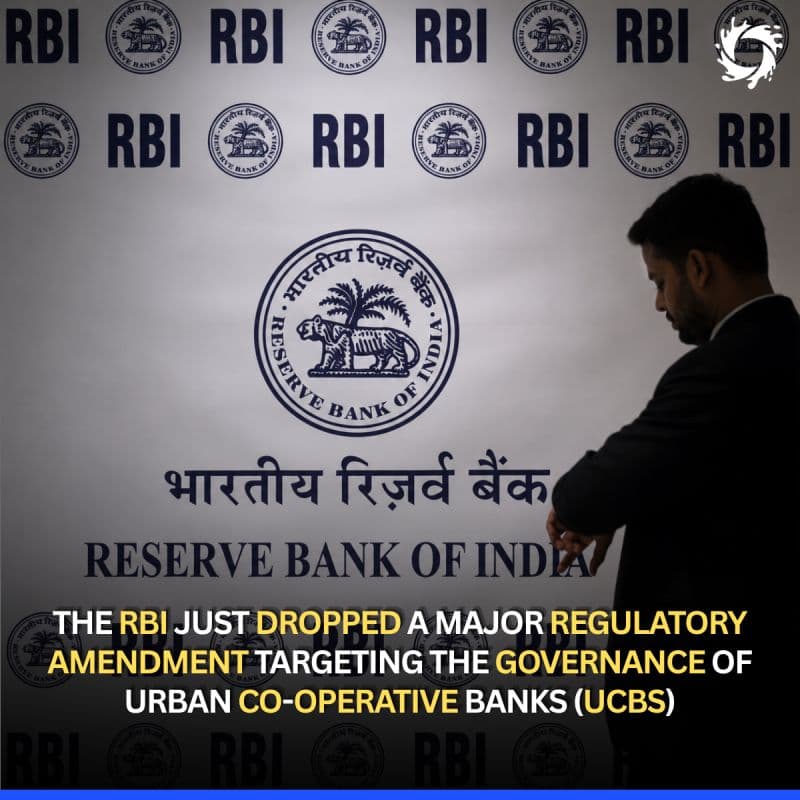
Image: Finsamudra LinkedIn archive
10 continuous yearsUCB director tenure cap

Urban Co-operative Banks have long wrestled with governance rot. Directors hitting statutory tenure limits would execute a well-worn maneuver: resign quietly, wait a few months, then get re-elected or co-opted back onto the board, effectively resetting their 10-year clock and staying entrenched indefinitely.

The RBI has now shut down this workaround. Under amendments effective this week, a UCB director is capped at 10 continuous years. Once they step down, they face a mandatory, non-negotiable 3-year cooling-off period before they can return to the board in any capacity.

The enforcement mechanism is strict. If a director tries the quick-resignation trick—stepping down for less than 3 years and seeking re-election—the RBI will not recognize the gap. Their original 10-year clock keeps running, making the maneuver pointless.

This move reflects a broader RBI push to dismantle entrenched power structures in the co-operative banking sector, a space historically marked by governance failures and family control. The regulator is moving beyond writing rules to anticipating how operators will try to bypass them.

The 3-year cooling-off becomes a hard circuit-breaker: it prevents the revolving-door dynamic that allowed small groups to dominate UCB boards for decades and shield themselves from accountability.

Why it matters

For loan distributors and DSAs working with UCBs, board governance directly affects lending approvals, credit policy, and risk management. Entrenched boards often favor connected borrowers or resist modernization. Cleaner governance means more transparent credit decisions and fewer political conflicts blocking disbursals or portfolio growth.

For lenders and NBFCs funding UCBs, governance risk is credit risk. Weak boards have historically enabled fraud, poor asset quality, and regulatory action. The RBI's tenure cap and cooling-off period reduce the likelihood of governance crises that could freeze a UCB's access to funding or trigger an RBI intervention—directly improving the stability of your distribution partners.

More on the RBI

Every story on the RBI →

Sources

Join the conversation on LinkedIn →
Finsamudra DeskNewsroom · 26 May 2026, 11:15 am IST
See all

Get the Morning Brief

India's lending news before your first call — subscribe free

The same daily intelligence 30,000+ CXOs, DSAs and finance professionals follow on LinkedIn, with the Finsamudra take.

The Morning Brief · Free

Get India's lending news before your first call

The daily intelligence 30,000+ finance professionals follow on LinkedIn, in one short email from the Finsamudra Desk.