Finsamudra Newsroom, home

Finsamudra Desk

₹8,250 Cr real estate fund anchored by Abu Dhabi and Korea opens door for East Asian capital

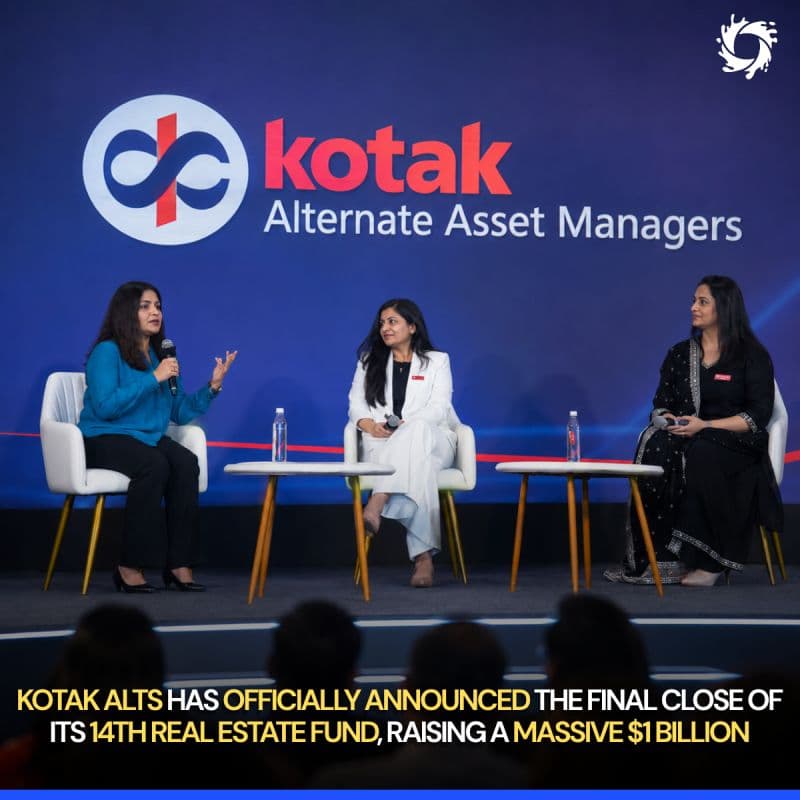
ADIA and South Korea's National Pension Service closed a $1 billion fund for Indian residential and commercial real estate, marking NPS Korea's first bet on Indian alternatives.

$1 billionFund size
➤This isn't just a big number; it’s a massive signal of international confidence in India's structural growth. Here is why this specific fund closure is making waves:
Image: Finsamudra LinkedIn archive
$675 millionADIA anchor commitment
SixthADIA consecutive commitments to platform

The $1 billion fund has been anchored by a $675 million commitment from a subsidiary of Abu Dhabi Investment Authority (ADIA), structured through Kotak's real estate platform. This marks ADIA's sixth consecutive commitment to the same platform, signaling sustained confidence in India's property market among long-term sovereign capital.

The fund also secured a strategic investment from South Korea's National Pension Service (NPS Korea), a first-time entrant into Indian alternative assets. This is significant: NPS Korea's debut into Indian real estate opens a pathway for deeper East Asian pension fund participation in the Indian market.

The $1 billion pool will deploy capital as growth and development financing across residential and commercial real estate projects in key Indian cities. The structure taps two distinct investor bases—Middle Eastern sovereign wealth and East Asian pension capital—both seeking exposure to India's structural real estate demand.

The fund closure reflects a broader pattern of global institutional money rotating toward Indian alternative assets. With both sovereign wealth funds and pension funds deepening portfolios in the country, the real estate financing landscape is attracting patient, long-term institutional capital.

Why it matters

For India's credit distribution ecosystem, this signals a structural shift in how real estate gets financed. Large pools of institutional capital now compete with traditional DSA-linked NBFC financing for real estate developers and projects. Connectors and loan agents working on developer disbursals and working-capital lines should expect alternative funding pathways to emerge, potentially shifting pricing and terms across the sector.

More broadly, when sovereign wealth and pension funds commit to Indian real estate for the sixth or first time respectively, it validates the underlying credit thesis: India's urbanization and commercial expansion are durable enough to attract 10–15 year capital. This confidence may lower cost of capital for larger developers, but also intensify competition for smaller, sub-institutional borrowers—a dynamic DSAs must monitor.

Sources

Join the conversation on LinkedIn →
Finsamudra DeskNewsroom · 5 Jun 2026, 6:00 pm IST
See all

Get the Morning Brief

India's lending news before your first call — subscribe free

The same daily intelligence 30,000+ CXOs, DSAs and finance professionals follow on LinkedIn, with the Finsamudra take.

The Morning Brief · Free

Get India's lending news before your first call

The daily intelligence 30,000+ finance professionals follow on LinkedIn, in one short email from the Finsamudra Desk.