Finsamudra Newsroom, home

Finsamudra Desk

The 0.02% Dilemma: Why Zerodha and INDmoney Are Sounding the Alarm on UPI’s New Capital Market MDR

India’s digital investment revolution was built on frictionless, zero-cost infrastructure. Over the last seven years, discount brokers and wealthtech platforms onboarded tens of millions of first-time retail investors, enabled almost entirely by instantaneous, zero-MDR UPI fund transfers.

0.02% DILEMMA
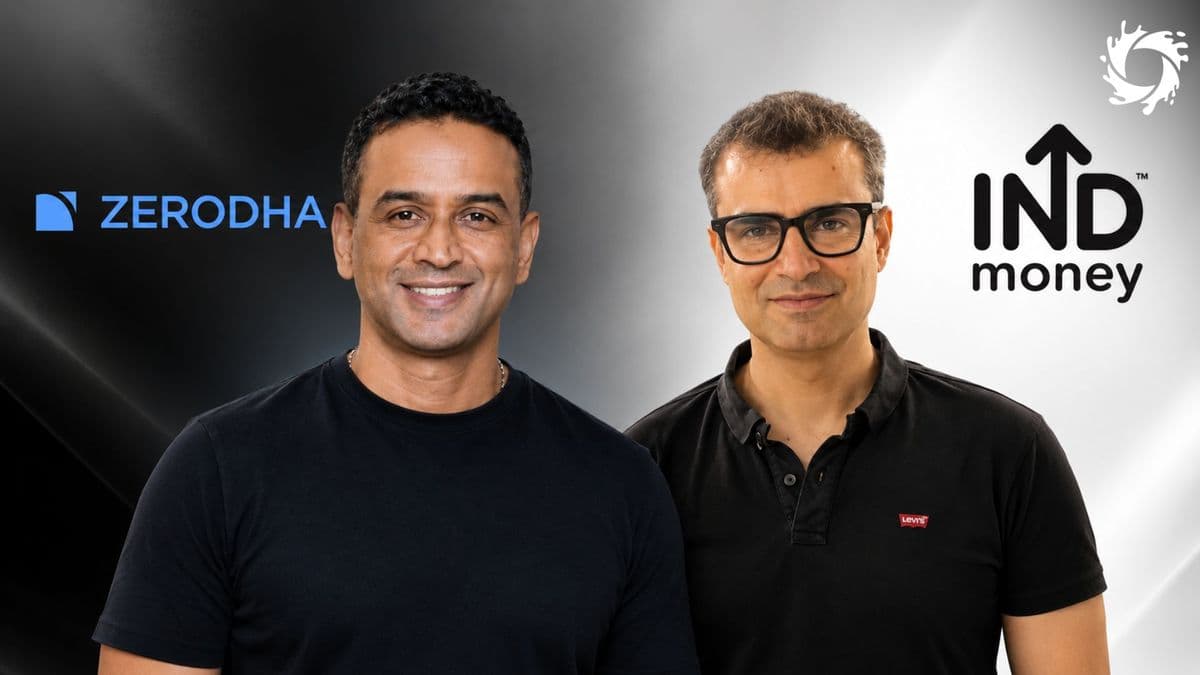
HERO IMAGE
Image: - FINSAMUDRA

Beginning October 15, 2026, capital market transactions—including fund top-ups for stockbroking trading accounts, mutual fund purchases, and primary equity applications—will be subject to a Merchant Discount Rate (MDR) of 0.02%, capped at ₹300 per transaction.

While a 2-basis-point charge appears minuscule compared to traditional credit card MDRs (which hover between 1.5% and 2.5%), top industry founders argue that applying ad-valorem payment charges to discount broking models creates an unsustainable structural mismatch.


The Economic Mismatch: Flat Brokerage vs. Ad-Valorem MDR

The tension stems from a fundamental disconnect between how digital brokers make money and how payment processing fees are calculated:

  • Fixed Revenue Model: Discount brokers like Zerodha, Groww, and Angel One operate primarily on a flat fee structure—typically charging ₹20 per executed order, irrespective of trade size (or ₹0 on equity delivery).
  • Ad-Valorem Cost Model: Under the new 0.02% MDR framework, the payment gateway cost scales directly with the amount transferred into the account.

How the Math Breaks Down for a Discount Broker:

├── Deposit: ₹50,000 ──> MDR Cost: ₹10 (50% of gross brokerage revenue)

├── Deposit: ₹1,00,000 ──> MDR Cost: ₹20 (100% of gross brokerage revenue)

├── Deposit: ₹5,00,000 ──> MDR Cost: ₹100 (5x the maximum brokerage revenue earned)

└── Deposit: ₹15,00,000 ──> MDR Cost: ₹300 (15x the gross brokerage revenue earned)

If an active derivative or equity trader transfers ₹1,00,000 via UPI into their trading terminal and executes a single trade generating ₹20 in brokerage, the entire fee is swallowed by the UPI MDR.


The "Ghost Transfer" Problem

Compounding the problem is an operational reality unique to capital markets: fund additions do not equal trade executions.

Unlike an e-commerce shopping cart where payment occurs simultaneously with a profitable sale, investors frequently move money into trading accounts to:

  1. Maintain collateral margins against volatile open positions.
  2. Park liquidity in anticipation of market dips that may never materialize.
  3. Move funds back and forth between secondary bank accounts and trading ledgers.

Under the new regime, brokers will incur hard cash gateway expenses on fund transfers that generate zero brokerage, zero exchange fees, and zero interest income.


Founder Voices: Projections and Counter-Proposals

Both Nithin Kamath (Co-founder & CEO, Zerodha) and Ashish Kashyap (Founder & CEO, INDmoney) have laid out the stark operational consequences:

Industry LeaderPlatformCore Argument & Proposed Solution

Nithin Kamath

Zerodha

Concedes that payment rails carry server and operational costs and a fee was inevitable, but argues that a ₹300 cap is excessive for broking. He has proposed keeping the 0.02% rate but reducing the absolute ceiling to ₹5–₹10 per transaction.

Ashish Kashyap

INDmoney

Quantified the structural scale: An investment platform processing ₹200 Crore in daily UPI inflows will bleed approximately ₹11.52 Crore every year in MDR charges alone.


Why it matters

The Fallout: Will Retail Investors Pay?

The key question confronting the industry is who absorbs the bill. Historically, brokers absorbed net-banking transaction fees (often charging users ₹9–₹15 per net-banking transfer while keeping UPI completely free).

If the National Payments Corporation of India (NPCI) and banking partners do not adjust the ₹300 ceiling before October 15, brokers will face three unpalatable choices:

  1. Absorb the Hit: Directly accept a multi-crore erosion of EBITDA margins.
  2. Institute Minimum Deposit Thresholds: Penalize or restrict frequent small-ticket UPI additions.
  3. Pass on the Fee: Introduce a nominal "convenience fee" on UPI transfers above certain ticket sizes—a move that could slow down retail participation and push high-net-worth traders back to NEFT/RTGS rails.

As the October 15 deadline nears, discussions between the Association of National Exchanges Members of India (ANMI), leading fintechs, and payment regulators are intensifying to secure a viable compromise.

Sources

Finsamudra Desk21 Sept 2026, 1:12 pm IST
See all

Get the Morning Brief

India's lending news before your first call — subscribe free

The same daily intelligence 30,000+ CXOs, DSAs and finance professionals follow on LinkedIn, with the Finsamudra take.

The Morning Brief · Free

Get India's lending news before your first call

The daily intelligence 30,000+ finance professionals follow on LinkedIn, in one short email from the Finsamudra Desk.