Finsamudra Newsroom, home

Finsamudra Desk

Fire Insurance Premiums Plunge 28% in Q1 Amid Aggressive Corporate Discounting

When fire insurance premiums plunge 28 percent in a single quarter because insurers are offering 90 percent discounts to win corporate accounts, underwriting discipline gives way to dangerous balance sheet risk.

28% in LOSSFire Insurance Premiums
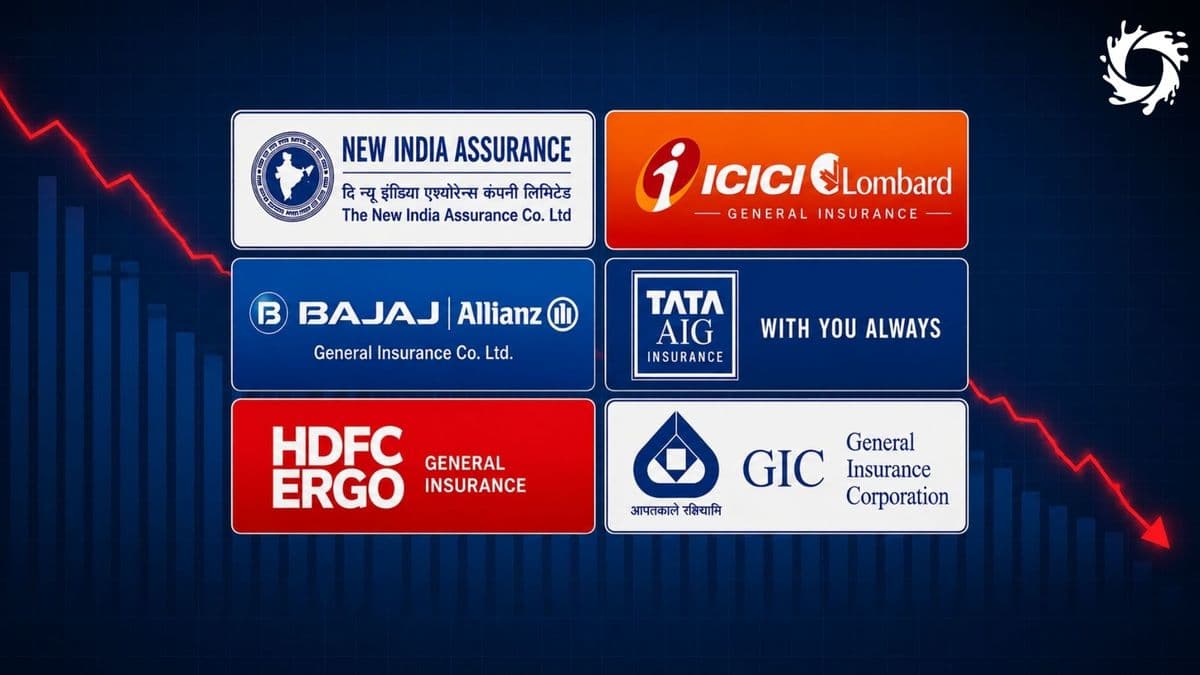
HERO IMAGE
Image: - FINSAMUDRA

Executive Summary

Gross direct fire insurance premiums across India’s non-life insurance sector contracted by 28.0% year-on-year in the first quarter of FY27 (Q1 FY27), falling from ₹11,206 crore in Q1 FY26 to ₹8,087 crore, according to sector data from the General Insurance Council.

The sharp drop represents a direct revenue contraction of ₹3,119 crore in the commercial property segment, driven by intense price undercutting and deep discounting on large manufacturing, industrial, and infrastructure accounts. The trend has triggered regulatory warnings from the Insurance Regulatory and Development Authority of India (IRDAI) regarding actuarial discipline and balance-sheet solvency.


Fire Insurance Market Contraction Overview (Q1 FY27)

ParameterQ1 FY26 (Previous Year)Q1 FY27 (Current Year)Net Variance

Gross Written Fire Premiums

₹11,206 Crore

₹8,087 Crore

-28.0% YoY (₹3,119 Cr Drop)

Corporate Risk Discounting

Moderate / Regulated

Up to 90% – 99%

Severe price undercutting

Major Insurers Impacted

New India Assurance, ICICI Lombard, Bajaj Allianz, Tata AIG, HDFC ERGO

Reinsurance Impact

Domestic retention pressure on GIC Re and global reinsurance treaties


Core Underwriting Pressures Behind the Contraction

The steep decline in commercial fire premiums highlights several structural challenges across the non-life industry:

1. Deterioration of Combined Ratios

Commercial fire insurance has historically served as the primary underwriting profit cushion for general insurers, offsetting structural loss ratios in high-claim segments like motor third-party and retail health. Deep discounting directly erodes this surplus, pushing industry combined ratios into unprofitable territory.

2. Reinsurance Capacity and "Burning Cost" Disconnect

International and domestic reinsurers evaluate property risk based on technical “burning costs” (the minimum premium required to cover pure risk losses). When primary insurers offer discounts of 90% or more to capture corporate market share, they create an actuarial mismatch, prompting reinsurers to increase treaty rates or restrict catastrophe capacity.

3. Vulnerability to Catastrophic Loss

Because large industrial fire risks carry high total sum insured (TSI) exposures, a single major industrial incident or warehouse catastrophe can exhaust an entire year’s underpriced premium pool, forcing primary insurers to draw down statutory capital reserves.


IRDAI Supervisory Intervention

The Insurance Regulatory and Development Authority of India (IRDAI) has expressed serious concern over non-actuarial pricing practices across the non-life sector:

  • Actuarial Soundness Mandate: The regulator has instructed insurers that premium pricing must strictly reflect underlying asset risks and loss history rather than competitive broker bidding.
  • Capital Solvency Focus: The IRDAI reiterated that top-line Gross Written Premium (GWP) expansion cannot come at the expense of solvency margins, warning that continuous underpricing threatens long-term claim-settlement capacity.


Why it matters

General Insurance Industry Outlook

While large corporate clients have enjoyed substantial short-term premium savings, systemic price wars threaten the financial resilience of the general insurance sector.

Insurers that maintain technical pricing discipline, optimize risk-engineering audits, and manage balanced reinsurance treaties will remain best positioned to withstand industrial claim shocks and sustain profitable combined ratios across FY27 and FY28.


Sources

Finsamudra Desk1 Sept 2026, 11:57 am IST
See all

Get the Morning Brief

India's lending news before your first call — subscribe free

The same daily intelligence 30,000+ CXOs, DSAs and finance professionals follow on LinkedIn, with the Finsamudra take.

The Morning Brief · Free

Get India's lending news before your first call

The daily intelligence 30,000+ finance professionals follow on LinkedIn, in one short email from the Finsamudra Desk.