Finsamudra Newsroom, home

Finsamudra Desk

IIFCL taps overseas markets for $1.4 billion as domestic deposit war bites

India Infrastructure Finance Company Limited is raising $1.4 billion in foreign capital, betting on longer tenures and lower hedged costs than the domestic bond market offers.

$1.4 billionForeign capital raised by IIFCL
Why are massive Indian financial institutions suddenly hunting for billions of dollars overseas? If you want to understand the current liquidity environment, look at the latest mov
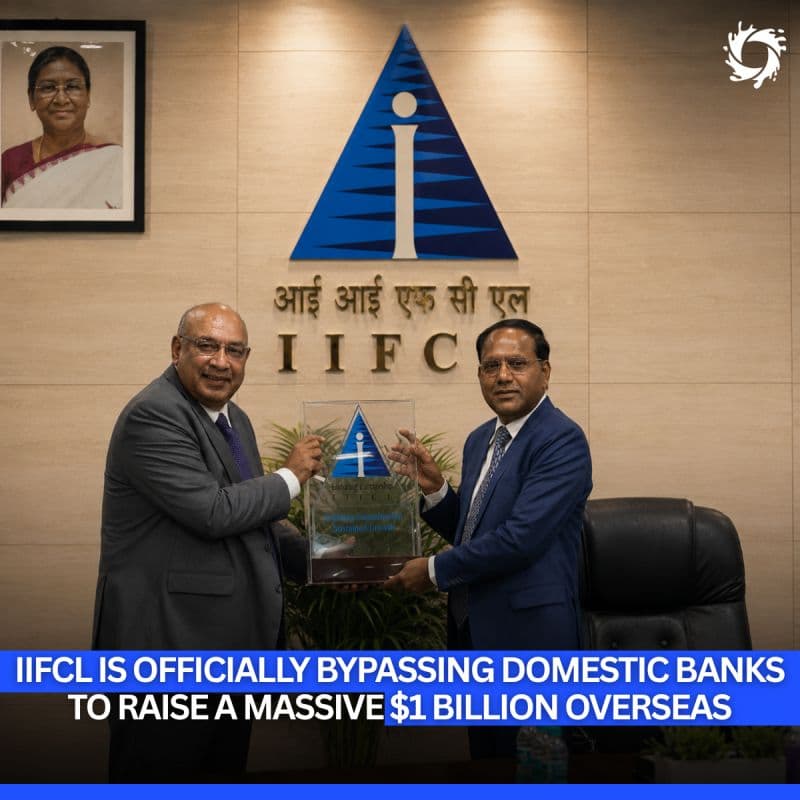
Image: Finsamudra LinkedIn archive
below 7%Expected interest rate post-hedging
15 to 20 yearsInfrastructure project tenure

India Infrastructure Finance Company Limited (IIFCL) is executing what is being described as one of the market's most aggressive fundraising strategies: $1.4 billion of purely foreign capital.

The move comes as Indian banks are locked in a fierce war for deposits, struggling to gather low-cost retail capital to fund the domestic credit boom. That has made rupee borrowing increasingly expensive for large borrowers like IIFCL.

Infrastructure assets such as highways and mega-ports take 15 to 20 years to generate returns. Domestic banks are reluctant to lock capital up for that long, but overseas pension funds and institutions like the ADB are willing to write 15-year and 20-year checks, letting IIFCL match its long-term liabilities with long-term assets.

Even after accounting for currency hedging costs, dollar-denominated loans from overseas institutions are expected to carry interest rates below 7%, lower than raising equivalent capital in the domestic bond market.

Why it matters

For lenders and NBFCs financing long-gestation infrastructure, this signals a structural shift: domestic deposits and bond markets alone can't fund a trillion-dollar infrastructure pipeline. Institutions with access to sovereign or quasi-sovereign credit ratings will increasingly tap offshore pools for tenure-matched, cheaper capital.

For DSAs and connectors working infrastructure or corporate lending books, tighter domestic liquidity and the deposit war mean higher costs for rupee-denominated credit lines, pushing large borrowers toward foreign currency structures — a trend worth tracking when advising clients on financing options over the next few years.

Sources

Join the conversation on LinkedIn →
Finsamudra DeskNewsroom · 29 Jun 2026, 5:15 pm IST
See all

Get the Morning Brief

India's lending news before your first call — subscribe free

The same daily intelligence 30,000+ CXOs, DSAs and finance professionals follow on LinkedIn, with the Finsamudra take.

The Morning Brief · Free

Get India's lending news before your first call

The daily intelligence 30,000+ finance professionals follow on LinkedIn, in one short email from the Finsamudra Desk.