Finsamudra Newsroom, home

Finsamudra Desk

KPMG audit clears IDFC FIRST Bank's systems in ₹646 Cr fraud case

The forensic review confirms the Chandigarh branch fraud was isolated, driven by employee collusion rather than systemic weakness. The bank has repaid the full amount to its government customer.

₹646 Crfraud amount
▪When a bank suffers a fraud of this magnitude, the immediate fear from investors and depositors is always systemic risk. Is the core banking system compromised? Is this happening
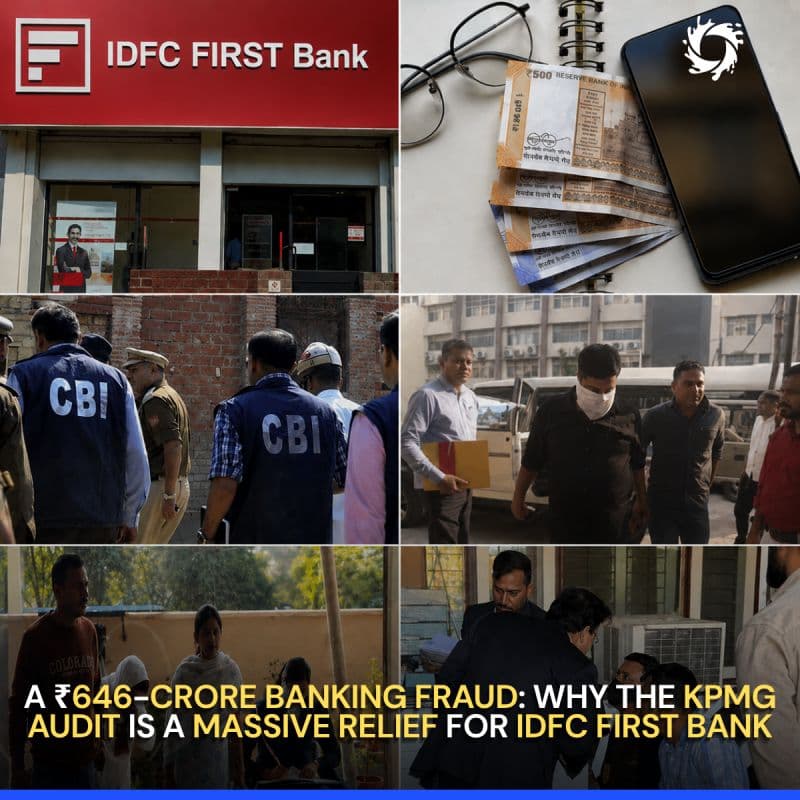
Image: Finsamudra LinkedIn archive
~₹645 Cramount repaid to customer
19individuals taken into custody

KPMG's forensic audit of the ₹646-crore fraud at IDFC FIRST Bank's Chandigarh branch has delivered the outcome depositors and investors needed to hear: no systemic compromise. The core banking system (CBS) remained intact throughout, and no similar incidents surfaced across the wider network.

The fraud itself was decidedly low-tech. A group of branch employees colluded with external third parties and employees of the customer—Haryana state government departments—to engineer the scheme. They used forged cheques, fake signatures, and synthetic documentation (including fabricated FD receipts) to bypass manual, branch-level authorization controls.

The analog nature of the attack underscores a hard truth in Indian banking: no amount of digital security locks out the risk of coordinated human misconduct. The conspirators exploited trust and procedural gaps at the branch level, not vulnerabilities in the bank's technology infrastructure.

IDFC FIRST Bank has moved decisively in the aftermath. The lender has already fully repaid the ~₹645 crore principal to affected government accounts, ensuring zero loss to the customer. Nineteen individuals connected to the collusion have been taken into custody.

Why it matters

For DSAs, loan officers, and connectors in India's credit distribution network, this case is a cautionary note on branch-level governance. Collusion between your internal team and external players—whether customers, vendors, or third parties—can still slip past digital controls if manual oversight is weak. The forensic findings suggest that procedural rigor, dual sign-offs, and surprise audits at branch level are non-negotiable.

For lenders and NBFCs working through distributed networks, the message is clear: invest in localized compliance and oversight protocols that assume collusion is always possible. Technology secures the system; people secure the integrity. A branch-level fraud of this scale signals gaps in segregation of duties, transaction review, and whistleblower mechanisms—areas where connectors and DSAs should audit their own processes.

More on IDFC FIRST

Every story on IDFC FIRST →

Sources

Join the conversation on LinkedIn →
Finsamudra DeskNewsroom · 6 Jun 2026, 1:30 pm IST
See all

Get the Morning Brief

India's lending news before your first call — subscribe free

The same daily intelligence 30,000+ CXOs, DSAs and finance professionals follow on LinkedIn, with the Finsamudra take.

The Morning Brief · Free

Get India's lending news before your first call

The daily intelligence 30,000+ finance professionals follow on LinkedIn, in one short email from the Finsamudra Desk.