Finsamudra Newsroom, home

Finsamudra Desk

IDBI Bank Grade B officer's death sparks workplace wellness debate in banking

A 36-year-old branch head at IDBI Bank died by suicide, with a handwritten note citing office pressure and family responsibilities. The incident has renewed focus on mental health and workplace culture across India's banking sector.

36Age of deceased officer
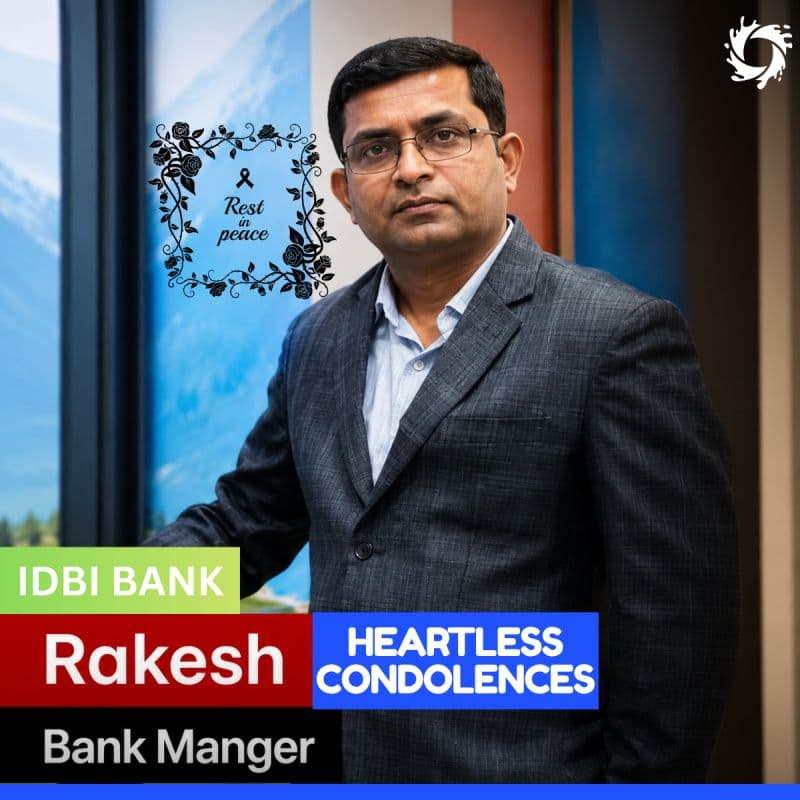
Today, the banking fraternity mourns the reported loss of an IDBI Bank officer.
Image: Finsamudra LinkedIn archive

Rakesh Roshan, a Grade B Branch Head at IDBI Bank, died by suicide at age 36. According to media reports, a handwritten note left behind mentioned office pressure and family responsibilities, while also stating that no individual was responsible for the incident. Authorities have not officially concluded the circumstances leading to his death.

The banking fraternity has responded with condolences to his family, friends, and colleagues. The incident has prompted reflection within the industry on workplace culture and employee support systems.

While investigations continue, the incident has raised broader questions about workplace safety and mental health in India's banking sector. The note's mention of office pressure alongside family responsibilities underscores how personal and professional stressors can compound.

Industry observers are now examining whether banking workplaces adequately support employees in crisis. The question being posed: are organisations creating environments where people feel safe seeking help before reaching a breaking point?

Success metrics in banking—growth, profitability, performance targets—have long dominated quarterly reviews and branch management. The incident suggests a need to rebalance how organisations measure and reward performance with how they care for employee wellbeing.

Why it matters

For DSAs, loan agents, and banking professionals, this incident underscores workplace pressures inherent in commission-driven, target-heavy roles. Branch heads manage both lending volumes and team performance under constant scrutiny. If systemic stress in banking roles remains unaddressed, it affects retention, productivity, and ultimately the quality of loan distribution across the network.

Banking and fintech organisations relying on field teams and branch staff need to rethink support structures. Mental health infrastructure, transparent escalation channels, and de-stigmatisation of seeking help are no longer optional—they directly impact operational stability and the capacity of teams to serve borrowers and lenders effectively.

Sources

Join the conversation on LinkedIn →
Finsamudra DeskNewsroom · 24 Jun 2026, 12:30 pm IST
See all

Get the Morning Brief

India's lending news before your first call — subscribe free

The same daily intelligence 30,000+ CXOs, DSAs and finance professionals follow on LinkedIn, with the Finsamudra take.

The Morning Brief · Free

Get India's lending news before your first call

The daily intelligence 30,000+ finance professionals follow on LinkedIn, in one short email from the Finsamudra Desk.