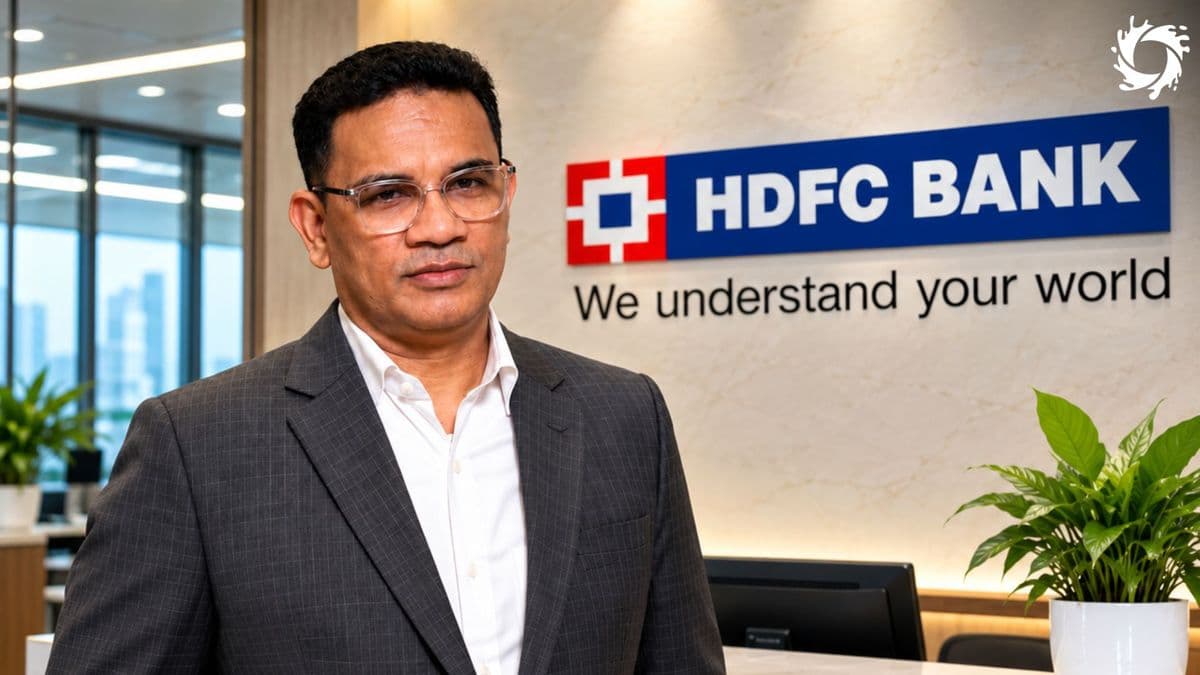
The Strategic Mandate: Managing Pay at 200,000 Scale
Following its mega-merger with HDFC Limited, HDFC Bank's balance sheet swelled past ₹40 lakh crore, backed by an active workforce of over 200,000 employees.
Managing Total Rewards at this institutional scale involves three critical operational priorities:
1. Post-Merger Pay Harmonization
Integrating a massive housing finance institution with a commercial banking network created overlapping compensation grids, legacy pension obligations, and disparate bonus frameworks. Standardizing pay scales across retail branches, corporate banking, and digital operations without inflating the bank's cost-to-income ratio is vital for quarterly return on assets (RoA).
2. RBI's "Risk-Aligned" Compensation Guardrails
Under Reserve Bank of India (RBI) Master Directions on bank compensation:
- Variable pay is strictly capped against fixed remuneration.
- A minimum of 50% of variable compensation for Material Risk Takers (MRTs) must be deferred over a 3- to 5-year period.
- Strict malus and clawback clauses apply if loans subsequently turn toxic.
Total Rewards is no longer a standard administrative HR desk—it is a frontline regulatory compliance engine designed to prevent volume-chasing and mis-selling.
3. Rewarding the Tech & Relationship Pivot
As routine clerical tasks are absorbed by automated platforms and internal AI models (like Neev), HDFC Bank’s hiring is shifting toward specialized engineering, cyber security, and front-line relationship management. Structuring long-term equity incentives (ESOPs) to retain top digital talent while managing retail attrition is central to defending the bank's operational moat.
Career Background
Prior to his 13-year tenure at HDFC Bank—where he led talent pipeline initiatives including the Leadership Excellence Program (LXP) with Manipal Global—Subramanian held key HR roles at Scope International (Standard Chartered) and Bharti Cellular.