Finsamudra Newsroom, home

Finsamudra Desk

Axis Bank's Q1 profit falls 4% as NIM compression and credit costs mount

Net profit slipped to ₹5,806 crore amid a 71% surge in gross slippages and margin pressure. Asset quality weakened and provisions nearly doubled, signalling rising portfolio stress.

4% to ₹5,806 CrNet profit YoY decline
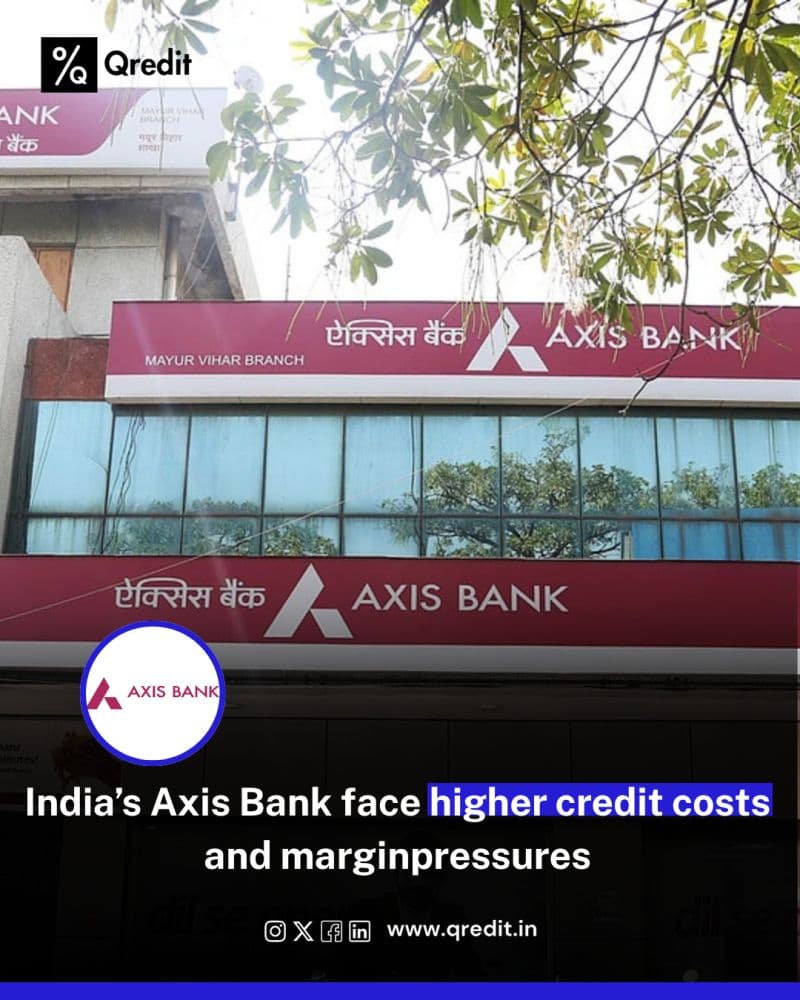
Margin Squeeze & Credit Costs: Axis Bank Under Pressure in Q1FY26! 🚨
Image: Finsamudra LinkedIn archive
71% to ₹8,200 CrGross slippages YoY surge
4.05% → 3.8%NIM compression

Axis Bank's Q1 FY26 results revealed cracks in earnings momentum. Net profit declined 4% year-on-year to ₹5,806 crore, falling short of market expectations and triggering a 4–5% share price drop. The bank's performance underscored mounting pressure from both credit costs and shrinking margins—a combination that rattled investor confidence.

Net Interest Margin compressed to 3.8% from 4.05% a year earlier, despite net interest income rising just 1%. With 70% of Axis's loan book on floating rates, the margin squeeze is likely to persist if rate cuts continue, limiting the bank's ability to protect profitability.

Gross slippages surged 71% year-on-year to ₹8,200 crore, though ₹2,700 crore of that stemmed from an internal technical reclassification. More concerning is the underlying credit stress: gross NPA rose to 1.57% and net NPA to 0.45%, signalling deteriorating asset quality particularly in unsecured retail segments.

Provisions nearly doubled to ₹3,948 crore, dragging return metrics lower. Return on assets fell 15 basis points and return on equity contracted 140 basis points. Management attributed part of the slippage rise to a technical accounting shift rather than fresh economic losses, but analysts have begun downgrading earnings forecasts and cutting target prices.

The bank did post strength in growth drivers: advances rose 8% and non-interest income climbed 25%. Yet these gains were overshadowed by rising credit costs and margin compression, leaving analysts cautious on near-term earnings visibility and growth prospects.

Why it matters

For DSAs and loan connectors, Axis's tighter margins and elevated provisions signal that lenders are getting pickier about credit quality. Slippages in unsecured retail—a segment that funds much of India's loan distribution network—point to rising stress in borrower pockets. DSAs working with Axis and similar banks should expect tougher underwriting and higher rejection rates as lenders fortress their balance sheets.

Floating-rate pressure is a direct headwind for loan originators' economics. If Axis cuts rates to compete while facing margin squeeze, the origination commissions and product spreads available to DSAs and sub-DSAs may compress further. Lenders under pressure to preserve margins will likely tighten disbursement targets and push riskier segments to non-bank partners, reshaping demand patterns across the distribution chain.

More on Axis Bank

Every story on Axis Bank →

Sources

Join the conversation on LinkedIn →
Finsamudra DeskNewsroom · 21 Jul 2025, 4:10 pm IST
See all

Get the Morning Brief

India's lending news before your first call — subscribe free

The same daily intelligence 30,000+ CXOs, DSAs and finance professionals follow on LinkedIn, with the Finsamudra take.

The Morning Brief · Free

Get India's lending news before your first call

The daily intelligence 30,000+ finance professionals follow on LinkedIn, in one short email from the Finsamudra Desk.