Finsamudra Newsroom, home

Finsamudra Desk

India's NPA crisis recedes to 2-2.5% as banking sector stabilises

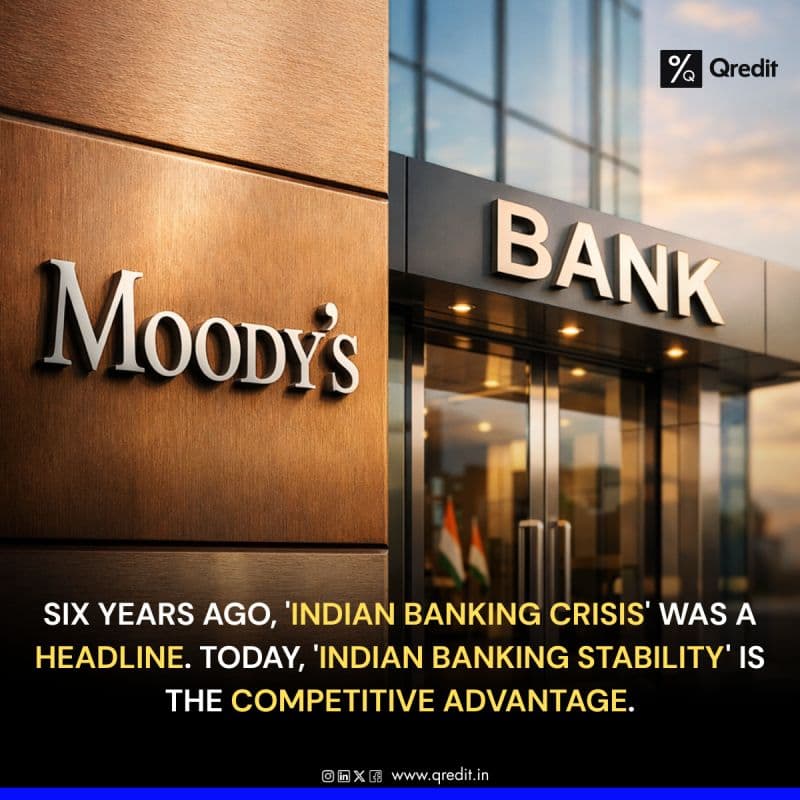
Moody's projects India's non-performing assets will remain subdued over the next 12-18 months, marking a sharp reversal from 2018's 11% peak and signalling a maturing credit market.

11%NPA levels in 2018
🚨India's banking sector has achieved what many thought would take a decade: transforming from a stressed asset crisis to one of the most stable banking ecosystems among emerging m
Image: Finsamudra LinkedIn archive
2-2.5%NPA projection FY26-27 (next 12-18 months)
6.4%Projected GDP growth FY26-27

India's banking sector has moved past its stressed-asset crisis. Moody's Ratings now projects NPAs will hold between 2-2.5% over the next 12-18 months—a marked departure from the 11% levels recorded in 2018. The turnaround signals not just recovery, but structural improvement in asset quality across the system.

Three pillars underpin this stability. First, projected GDP growth of 6.4% for FY26-27 provides the macroeconomic tailwind needed for borrower repayment. Second, credit growth has stayed disciplined, growing in sync with deposit mobilisation rather than outpacing it. Third, banks have sharpened risk management frameworks and asset quality monitoring capabilities.

The achievement ranks India's banking system among the most resilient in the emerging-market universe. International investors and policymakers are watching closely: India's banks have become a benchmark for how emerging economies can climb out of systemic credit stress without triggering wider economic damage.

The road ahead hinges on balance. As credit demand picks up to fund infrastructure, MSME expansion, and digital-economy rollout, banks must maintain the discipline that brought NPA ratios down. Looser risk appetite without strong underwriting could quickly undo the gains.

Why it matters

For DSAs, connectors, and loan agents, a stable banking sector means reliable credit access and predictable terms. When NPAs spike, lenders tighten underwriting, charge higher rates, and reduce loan ticket sizes—all of which compress margins and deal flow. With NPAs expected to remain low, the credit pipeline stays open and competitive, benefiting the entire distribution ecosystem.

Lenders themselves can now lend with conviction. Lower NPA forecasts let them deploy capital more aggressively toward growth segments—retail, SME, working capital—rather than hoarding capital for losses. This creates room for product innovation, faster turnaround times, and competitive pricing that benefits borrowers and connectors alike.

Sources

Join the conversation on LinkedIn →
Finsamudra DeskNewsroom · 10 Feb 2026, 5:45 pm IST
See all

Get the Morning Brief

India's lending news before your first call — subscribe free

The same daily intelligence 30,000+ CXOs, DSAs and finance professionals follow on LinkedIn, with the Finsamudra take.

The Morning Brief · Free

Get India's lending news before your first call

The daily intelligence 30,000+ finance professionals follow on LinkedIn, in one short email from the Finsamudra Desk.