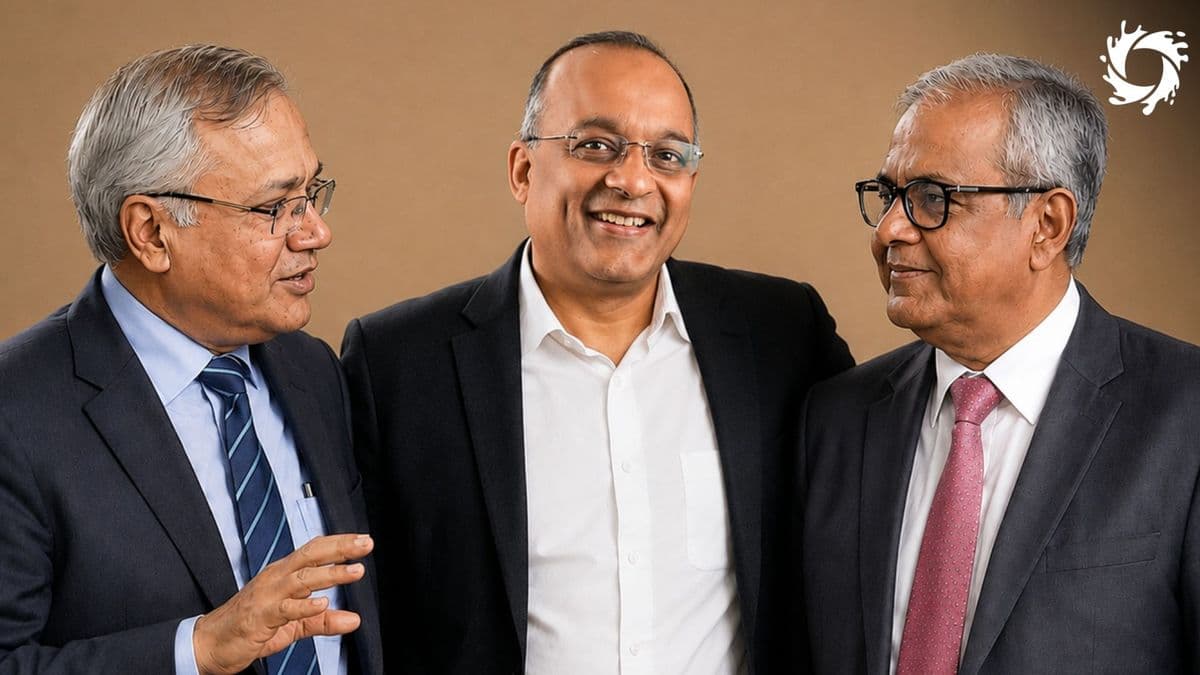
2026 Indian Banking Leadership Transition Matrix
InstitutionAsset Scale & Market ProfileOutgoing MD & CEOEffective Transition DateSuccession Blueprint & Interim Structure
Ujjivan Small Finance Bank
~₹35,000+ Cr AUM
(Mass Market & Inclusion)
Sanjeev Nautiyal
Effective Sep 1, 2026 (Formal retirement Nov 30)
Whole-Time Director Carol Furtado appointed Acting MD & CEO; formal search initiated.
HDFC Bank
~₹40 Lakh Cr Balance Sheet
(Largest Private Commercial Lender)
Sashidhar Jagdishan
Retires Oct 26, 2026 (Term Completion)
Institutional bench strength anchored by Deputy MD Kaizad Bharucha and ED Jimmy Tata.
Kotak Mahindra Bank
~₹6 Lakh Cr Balance Sheet
(Universal Commercial Bank)
Ashok Vaswani
Steps down Dec 31, 2026
Board recommended internal EDs Anup Saha (Retail) and Paritosh Kashyap (Wholesale) to RBI.
Key Analytical Pillars of the Leadership Transitions
The concurrent leadership changes across different tiers of the banking system highlight four critical governance dynamics:
1. The Strategic Value of the Internal Bench
External lateral appointments often encounter protracted regulatory clearances, cultural integration challenges, and steep operational learning curves. In contrast, institutions that cultivate deep internal leadership—such as Kotak Mahindra Bank with Anup Saha and Paritosh Kashyap, and Ujjivan SFB with Carol Furtado—experience minimal disruption across branch networks, employee morale, and customer relationships.
2. Protecting Deposit Franchise and Credit Rating Stability
In institutional banking, depositor confidence and credit ratings are tied to underwriting consistency and liquidity governance rather than executive personalities. Credit rating assessments (such as Moody's evaluation of HDFC Bank) emphasize that robust Asset-Liability Committees (ALCO), stable Net Interest Margins (NIM), and disciplined provisioning policies provide the true buffer during C-suite successions.
3. Rigorous Regulatory Vetting Under RBI Mandates
The Reserve Bank of India’s supervisory scrutiny regarding bank chief executives under Section 35B of the Banking Regulation Act requires comprehensive fit-and-proper evaluations. Boards that maintain transparent, dual-candidate succession pipelines significantly reduce regulatory approval timelines compared to institutions relying on unvetted external candidates.
4. Operational Continuity in Multi-Segment Banking
Whether managing a post-merger integration of a 40-lakh-crore universal banking book or sustaining credit quality across semi-urban micro-banking portfolios, structured transitions ensure that technology upgrades, risk modeling, and capital adequacy planning continue uninterrupted.