Finsamudra Newsroom, home

Finsamudra Desk

IIFCL targets ₹75,000 Cr in FY26 sanctions, cuts net NPA to zero

India's state-backed infrastructure lender is pushing 30% harder while maintaining pristine credit quality. Regulatory tailwinds unlock larger project underwriting.

₹75,000 CrFY26 sanctions target
⬩India Infrastructure Finance Company Ltd (IIFCL) just announced its targets for FY26, and the numbers signal a highly aggressive, yet secure, expansion strategy.
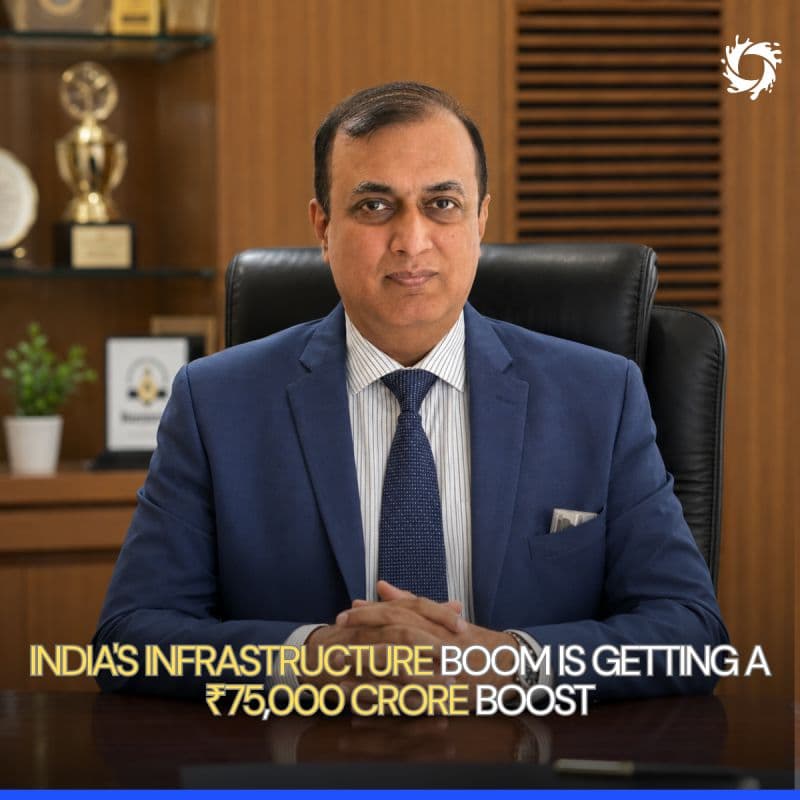
Image: Finsamudra LinkedIn archive
1.10% → 0.40%Gross NPA decline
ZeroNet NPA

IIFCL has set its FY26 annual sanctions target at ₹75,000 crore, a 30% jump from the previous year. This aggressive expansion follows a record FY25 close: ₹57,680 crore in annual sanctions and 16% growth in disbursements. The company's standalone loan book has crossed ₹81,000 crore.

The growth push is backed by rock-solid asset quality. Gross NPA fell to 0.40% from 1.10% year-on-year. More striking: net NPA now stands at absolute zero, proving that rapid scaling and credit discipline are not mutually exclusive in infrastructure lending.

The expansion is powered by regulatory relief. IIFCL has secured removal of key lending restrictions, specifically caps on exposure to total project costs. This unlocks the lender to underwrite significantly larger infrastructure mega-projects and distribute them to other lenders through down-selling arrangements.

MD Rohit Rishi's announcement signals confidence in both demand for infrastructure financing and IIFCL's operational capacity. The zero net NPA position eliminates concern that aggressive targets might compromise credit standards. For a state-backed infrastructure lender, this balance is uncommon.

Why it matters

For DSAs, Main DSAs, and loan agents operating in the infrastructure finance space, IIFCL's expanded capacity and regulatory freedom mean larger ticket-size projects are now eligible for structured financing. Down-selling arrangements with IIFCL can improve deal economics and reduce concentration risk for private lenders, particularly for mega-projects previously blocked by exposure caps.

For NBFCs and banks participating in infrastructure credit, IIFCL's growth creates both liquidity and distribution opportunity. A state-backed lender willing to underwrite larger projects at scale can anchor syndication structures, allowing private lenders to participate at lower risk. This shifts infrastructure financing from bottleneck to pipeline.

Sources

Join the conversation on LinkedIn →
Finsamudra DeskNewsroom · 31 May 2026, 1:00 pm IST
See all

Get the Morning Brief

India's lending news before your first call — subscribe free

The same daily intelligence 30,000+ CXOs, DSAs and finance professionals follow on LinkedIn, with the Finsamudra take.

The Morning Brief · Free

Get India's lending news before your first call

The daily intelligence 30,000+ finance professionals follow on LinkedIn, in one short email from the Finsamudra Desk.