Finsamudra Newsroom, home

Finsamudra Desk

HDFC Bank's credit-deposit ratio hits 99.5%, signalling tighter liquidity

Loans are growing faster than deposits, leaving the bank with minimal buffer. This squeeze is prompting higher FD rates and could make lending more selective across the sector.

11.9%Credit growth
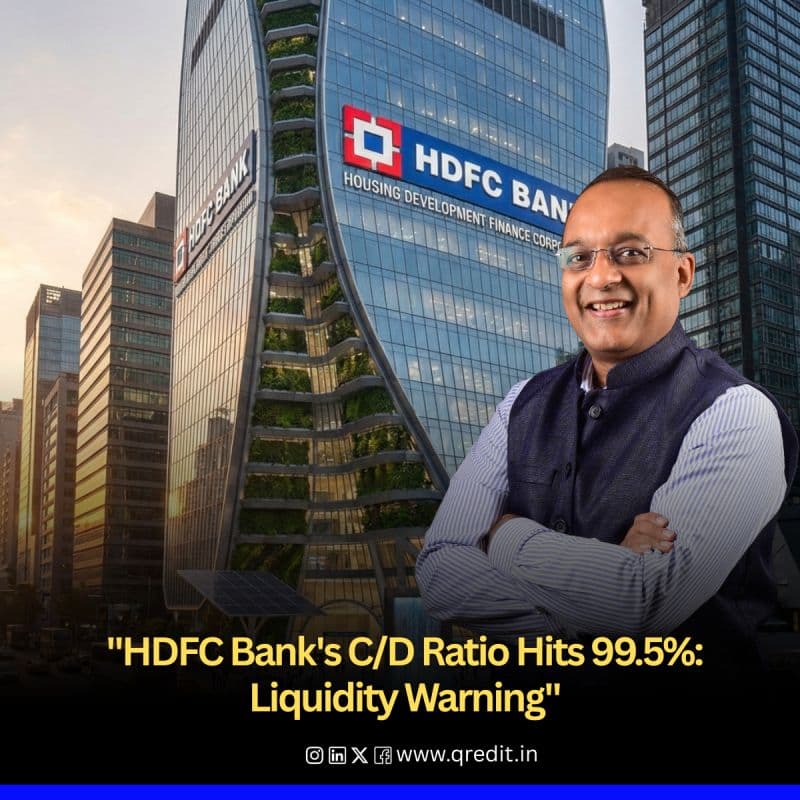
HDFC Bank’s Credit-Deposit Ratio hits 99.5% why it matters
Image: Finsamudra LinkedIn archive
11.5%Deposit growth
99.5%Credit-deposit ratio

HDFC Bank's credit-deposit ratio has climbed to 99.5%, meaning the lender deploys nearly ₹99.5 of every ₹100 in deposits. Credit growth of 11.9% is outpacing deposit growth of 11.5%, widening the gap between what flows in and what flows out.

A C/D ratio this tight leaves little room for unexpected withdrawals or market shocks. Banks typically maintain buffers to meet regulatory requirements and fund day-to-day operations without fire-selling assets or tapping emergency liquidity windows.

The squeeze is already visible in bank behaviour: HDFC and peers are raising fixed deposit rates to attract retail savings and shore up the liability side. Aggressive FD offers have become the norm as banks compete for deposits.

Lending standards are also tightening. When liquidity is scarce, banks become more selective about loan approvals, tightening underwriting criteria and favouring lower-risk borrowers. This directly affects DSAs and loan agents downstream.

HDFC's situation reflects a sector-wide shift, not an isolated problem. Across major banks, deposit growth has lagged credit growth, pushing the system into a liquidity-constrained phase that could persist if credit demand remains robust.

Why it matters

For DSAs, loan agents, and connectors, this signals a harder approval environment ahead. Banks will demand better-quality leads, lower default risk, and stronger documentation. Sourcing will take longer, and rejection rates may climb. The margin pressure on loan distribution will intensify as banks prioritise capital preservation over volume.

For lenders and NBFCs, the tightening also means costlier funding. Banks will push deposit rates higher, raising the cost of wholesale borrowing. This cascades to lending rates and affects the returns lenders can offer DSAs and the final rates borrowers pay. Connectors should prepare for slower pipeline velocity and sharper competition for quality assets.

More on HDFC Bank

Every story on HDFC Bank →

Sources

Join the conversation on LinkedIn →
Finsamudra DeskNewsroom · 19 Jan 2026, 2:00 pm IST
See all

Get the Morning Brief

India's lending news before your first call — subscribe free

The same daily intelligence 30,000+ CXOs, DSAs and finance professionals follow on LinkedIn, with the Finsamudra take.

The Morning Brief · Free

Get India's lending news before your first call

The daily intelligence 30,000+ finance professionals follow on LinkedIn, in one short email from the Finsamudra Desk.