Finsamudra Newsroom, home

Finsamudra Desk

HDFC Bank's deposits cross ₹31.7 lakh crore as loan-deposit growth balances out

The bank grew loans 15.4% and deposits 14.7% in Q1, sidestepping the liquidity squeeze forcing smaller rivals to chase expensive wholesale funding.

₹31.7 lakh croreTotal deposits
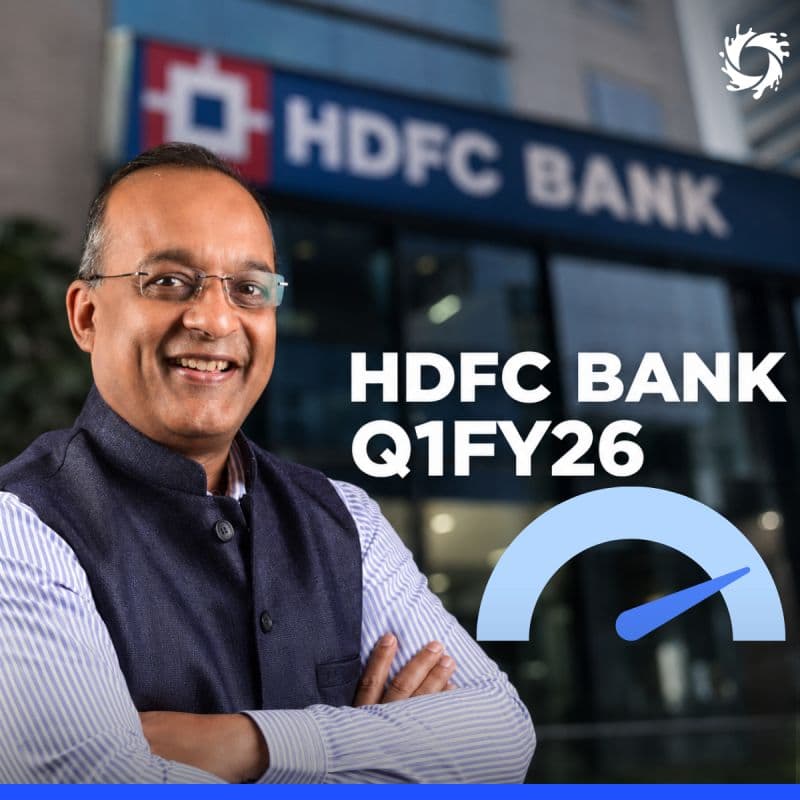
HDFC Bank just released its Q1 numbers, and the sheer scale is almost hard to comprehend. Their total deposits just officially crossed the ₹31.7 lakh crore mark.
Image: Finsamudra LinkedIn archive
15.4%Q1 loan growth
14.7%Q1 deposit growth

HDFC Bank's Q1 results reveal a structural advantage most competitors lack: deposits of ₹31.7 lakh crore now underpin a loan book expanding at 15.4%, nearly matched by 14.7% deposit growth. In an environment where retail money is fleeing banks for equity markets, this balance is rare.

Smaller and mid-sized lenders are struggling to fund loan growth. Retail deposits are hard to gather in a high-rate regime, so they are forced to buy expensive, short-term wholesale money—a margin killer. HDFC Bank is bypassing this squeeze through post-merger scale.

The bank's advantage rests on three pillars. First, it is cross-selling deposit accounts to millions of legacy home loan customers. Second, its digital payroll pipelines capture low-cost salary accounts at volumes competitors cannot match. Third, by growing deposits in lockstep with loans, it is immunizing itself against systemic liquidity stress.

Size has shifted from being an asset to becoming a defensive moat. In a booming credit market, lenders chase growth. But when liquidity tightens, deposit control becomes the real battleground—and HDFC Bank's scale gives it decisive leverage.

The bank's balanced growth model puts pressure on the broader ecosystem. Smaller rivals face a choice: aggressively raise deposit rates to compete, or cede the corporate lending market entirely to better-funded peers.

Why it matters

For DSAs and loan connectors, HDFC Bank's liquidity fortress has immediate implications. A lender with abundant, cheap deposits can price aggressively on retail loans while still protecting margins. Smaller lenders forced to buy wholesale funding cannot match those rates—shifting competitive dynamics in partnership tiers and commission structures.

Banks with weak deposit franchises will either raise rates to attract retail money (reducing borrower access to cheap credit) or ration credit to corporate segments where HDFC Bank has room to lend. For brokers and agents dependent on multiple lender options, this consolidation narrows the playing field and increases reliance on fewer, well-capitalized players.

More on HDFC Bank

Every story on HDFC Bank →

Sources

Join the conversation on LinkedIn →
Finsamudra DeskNewsroom · 6 Jul 2026, 9:30 am IST
See all

Get the Morning Brief

India's lending news before your first call — subscribe free

The same daily intelligence 30,000+ CXOs, DSAs and finance professionals follow on LinkedIn, with the Finsamudra take.

The Morning Brief · Free

Get India's lending news before your first call

The daily intelligence 30,000+ finance professionals follow on LinkedIn, in one short email from the Finsamudra Desk.