Finsamudra Newsroom, home

Finsamudra Desk

Indian banks wrote off ₹9.75 lakh crore in bad loans over past decade

Parliamentary data reveals the scale of legacy credit stress in the banking system, though write-offs have moderated in recent years as risk detection improves.

₹9.75 lakh croreTotal write-offs, FY15–FY25
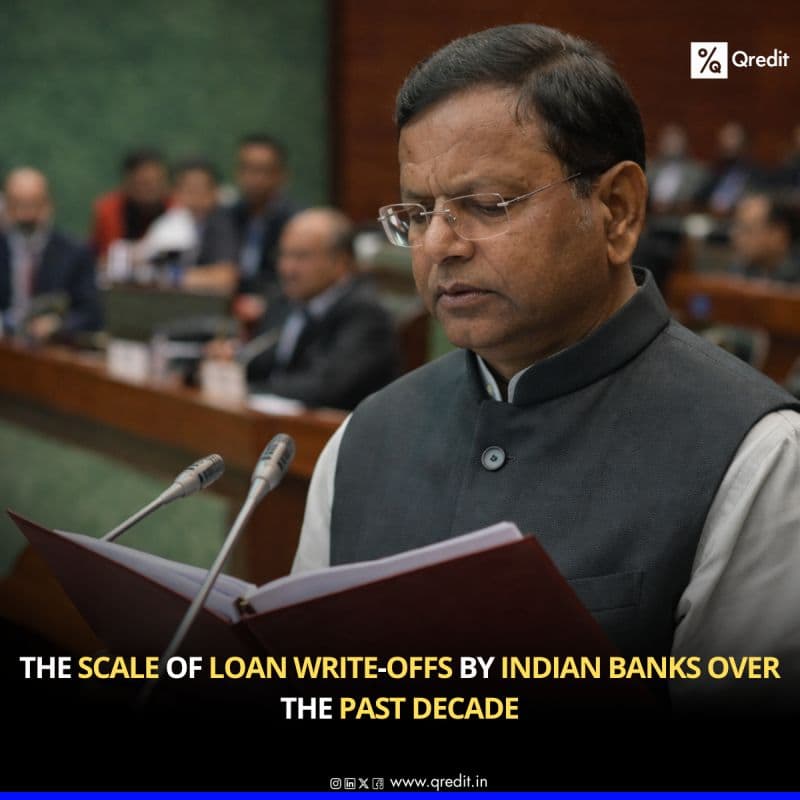
'As per data shared in Parliament by Pankaj Chaudhary, scheduled commercial banks in India have written off approximately ₹9.75 lakh crore between FY15 and FY25.'
Image: Finsamudra LinkedIn archive

Scheduled commercial banks in India have written off approximately ₹9.75 lakh crore between FY15 and FY25, according to data shared in Parliament by Pankaj Chaudhary. A write-off is an accounting adjustment that allows banks to clean up their balance sheets by removing non-performing assets (NPAs) from active lending portfolios.

Critically, write-offs do not mean the money is lost forever. These accounts remain subject to recovery and legal proceedings even after being removed from the books. Banks continue pursuing debt collection and court cases against defaulters, with recoveries feeding back into income over time.

The scale of write-offs points to systemic weaknesses in credit appraisal and risk management that accumulated over the decade. However, data shows write-offs have moderated in recent years, suggesting the banking system has strengthened its ability to recognize and resolve stress faster than before.

The real challenge now shifts from resolution to prevention. While balance sheet clean-up is necessary, long-term stability depends on early risk detection and stronger governance frameworks. Banks that can identify stress before it crystallizes into NPAs will outperform those playing catch-up with legacy problems.

The next phase of banking sector maturity will be defined by prevention, not just resolution. The Indian banking system has proven it can manage crises; the test ahead is building credit cultures that avoid them.

Why it matters

For DSAs and connectors, this trend underscores the criticality of credit appraisal rigor upstream. Banks are tightening underwriting standards and risk frameworks—meaning loan distributions that bypass proper due diligence face higher rejection rates. Connectors who invest in data-led borrower assessment and early stress detection will command better tie-ups and pricing.

For lenders and NBFCs, the shift from resolution to prevention means regulatory scrutiny will intensify around origination hygiene and monitoring. Capital costs will continue favoring platforms with demonstrable risk management capabilities. The ₹9.75 lakh crore write-off burden underscores why prevention-first strategies now drive lending economics.

Sources

Join the conversation on LinkedIn →
Finsamudra DeskNewsroom · 17 Mar 2026, 11:45 am IST
See all

Get the Morning Brief

India's lending news before your first call — subscribe free

The same daily intelligence 30,000+ CXOs, DSAs and finance professionals follow on LinkedIn, with the Finsamudra take.

The Morning Brief · Free

Get India's lending news before your first call

The daily intelligence 30,000+ finance professionals follow on LinkedIn, in one short email from the Finsamudra Desk.